
River's Course
River's Course - These processes are known as erosion, transportation and deposition. The river course from source to its mouth is known as river valley which may attain a depth ranging from some meters to 500 meters and even more than that. Rivers often meander (follow a winding path) along their middle course. it is less steep and has a moderate flow of water. The upper course, the middle course, and the lower course. In its upper course, rivers primarily perform two functions: The upper course of the. In this article you can learn: This resource is suitable for landscapes. Check out the complete upsc syllabus. The middle course is the stage in which the. In this article you can learn: The middle course is the stage in which the. A river is divided up into three sections. Check out the complete upsc syllabus. Cities that once thrived on river commerce. A river course typically includes the upper course (mountainous region), middle course (wider valley), and lower course (nearing the sea or lake). The upper course, the middle course, and the lower course. Rivers often meander (follow a winding path) along their middle course. it is less steep and has a moderate flow of water. What is the middle course of a river? The “course of the river” simply refers to the specific path that a river follows as it crosses the land. This is usually a sinuous (curvy) channel that tends to get wider as the river makes its. This resource is suitable for landscapes. Today, the main stem of the chicago river flows west from lake michigan to wolf point,. A sudden shift in the river’s course would have devastating consequences for communities from baton rouge to new orleans. Explain the. The middle course is the stage in which the. A sudden shift in the river’s course would have devastating consequences for communities from baton rouge to new orleans. Owned by the village of gurnee, this waterworld of a golf course keeps you on your toes the. In its upper course, rivers primarily perform two functions: The “course of the river”. A river is split into three parts: Rivers are bodies of water that move across land. The upper course, the middle course, and the lower course. Owned by the village of gurnee, this waterworld of a golf course keeps you on your toes the. The upper course of the. In this article you can learn: A river is divided up into three sections. The upper course of the. Today, the main stem of the chicago river flows west from lake michigan to wolf point,. In this video learn common features of each course. Our course features nine holes of bent grass tees, greens and fairways. Into another body of water, like the sea. Today, the main stem of the chicago river flows west from lake michigan to wolf point,. Rugged and have steep slopes; Explain the role of erosion, transportation,. In its upper course, rivers primarily perform two functions: Check out the complete upsc syllabus. The bottom becomes a mixture of silt and gravel. The upper course, the middle course, and the lower course. As small streams and rivers tumble down mountainsides, they are forced to flow around ‘fingers’ of land. A sudden shift in the river’s course would have devastating consequences for communities from baton rouge to new orleans. Cities that once thrived on river commerce. For national 5 geography learn how to identify the features found at each stage of a river’s course and its physical and human effects on the landscape. In its upper course, rivers primarily perform. The river course from source to its mouth is known as river valley which may attain a depth ranging from some meters to 500 meters and even more than that. Cities that once thrived on river commerce. The bottom becomes a mixture of silt and gravel. The upper course, middle course and lower course. Rivers are bodies of water that. Owned by the village of gurnee, this waterworld of a golf course keeps you on your toes the. This resource is suitable for landscapes. The middle course is the stage in which the. The upper course, the middle course, and the lower course. The upper course, middle course and lower course. A river is divided up into three sections. Into another body of water, like the sea. All rivers can be split into an upper, middle and lower course. The upper course of the. For national 5 geography learn how to identify the features found at each stage of a river’s course and its physical and human effects on the landscape. Rugged and have steep slopes; What is the middle course of a river? As rivers flow towards the sea, they change the landscape they pass through. A river typically goes through three main stages: The journey of a river begins at its source. These processes are known as erosion, transportation and deposition. All rivers can be split into an upper, middle and lower course. This is usually a sinuous (curvy) channel that tends to get wider as the river makes its. Understanding these stages provides valuable insights into the complex dynamics of river systems and their ecological significance. In this video learn common features of each course. The upper course, the middle course, and the lower course. This resource is suitable for landscapes. A river course typically includes the upper course (mountainous region), middle course (wider valley), and lower course (nearing the sea or lake). A sudden shift in the river’s course would have devastating consequences for communities from baton rouge to new orleans. A river's lower course is deep and wide, which you can see. As small streams and rivers tumble down mountainsides, they are forced to flow around ‘fingers’ of land.
Change and migration of the river's course with time Download

(a) Displaying the two main steps in changes of the river's course

Rivers Fluvial Processes

River Course Features Diagram Quizlet
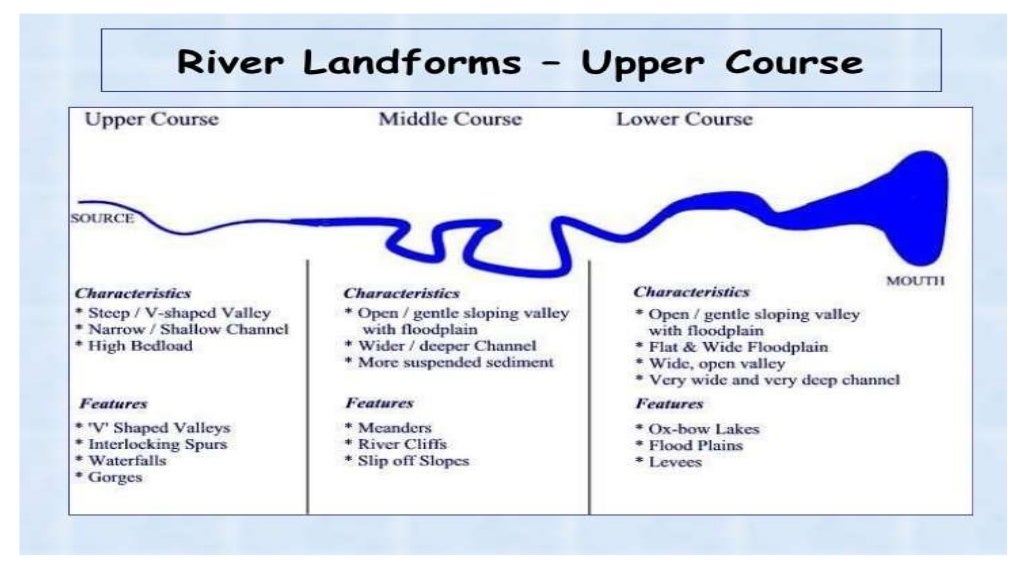
Stages of a river's upper course
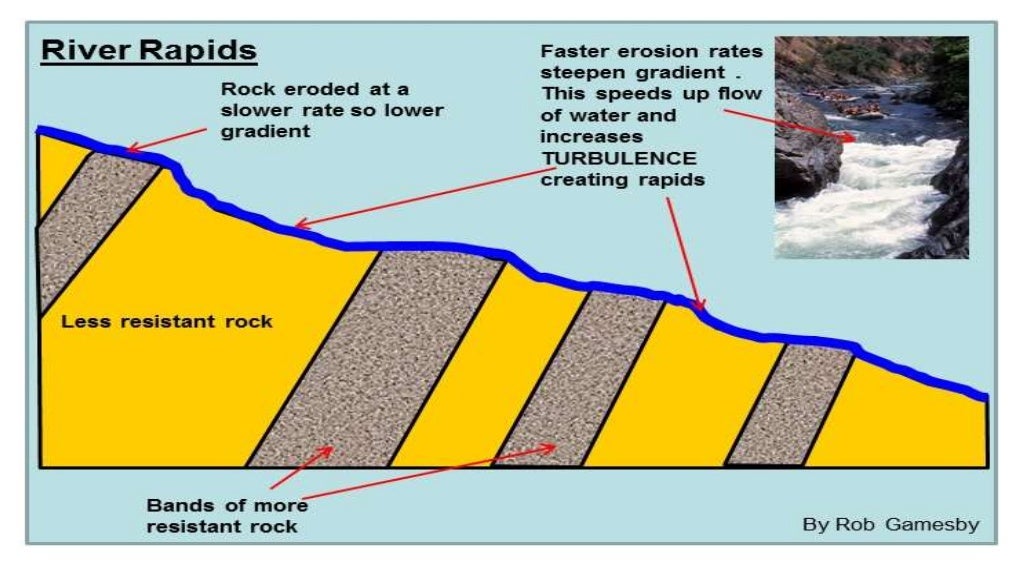
Stages of a river's upper course
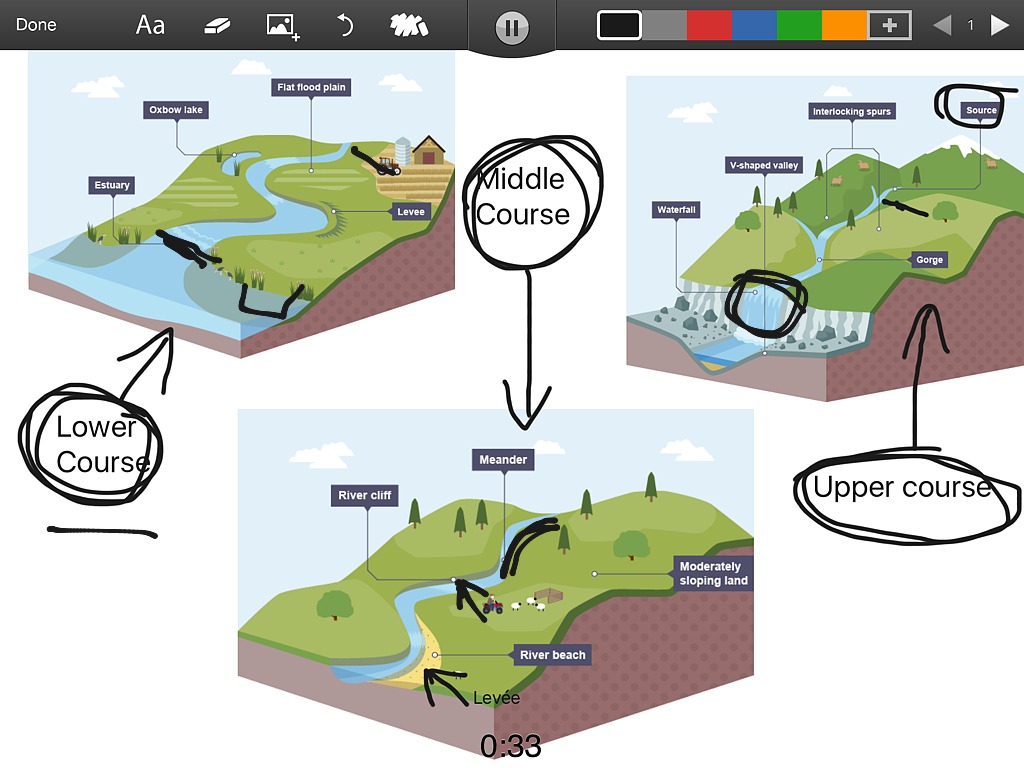
River's course Science, Environment, Rivers, Journey Of Rivers ShowMe
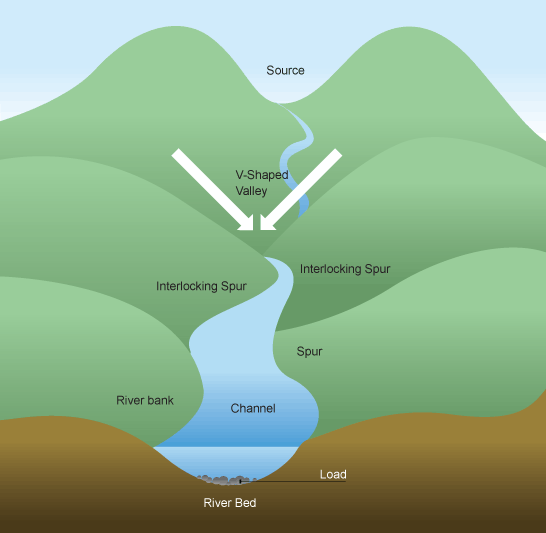
Geography River and Coasts Courses of the River Mind Map
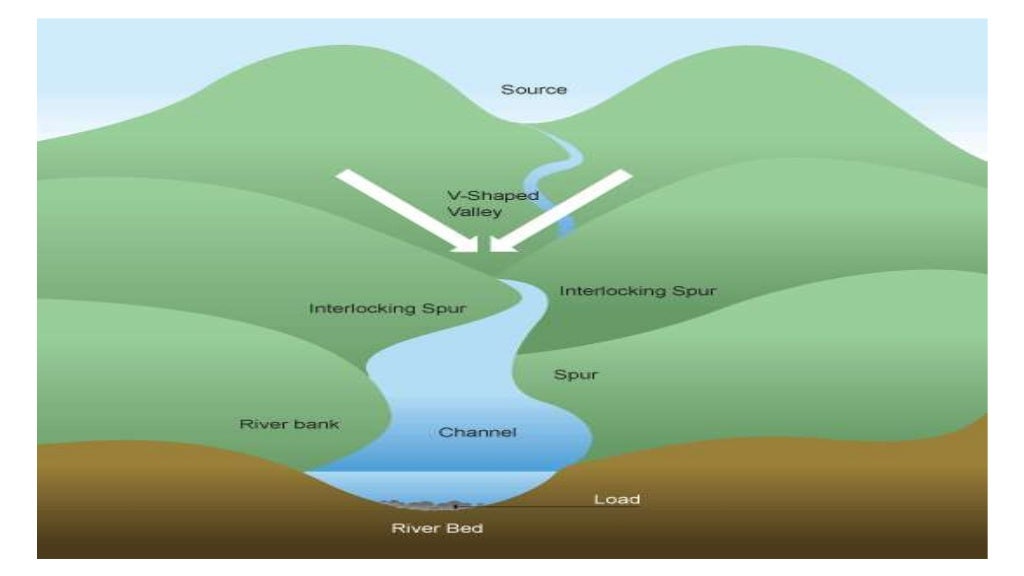
Stages of a river's upper course
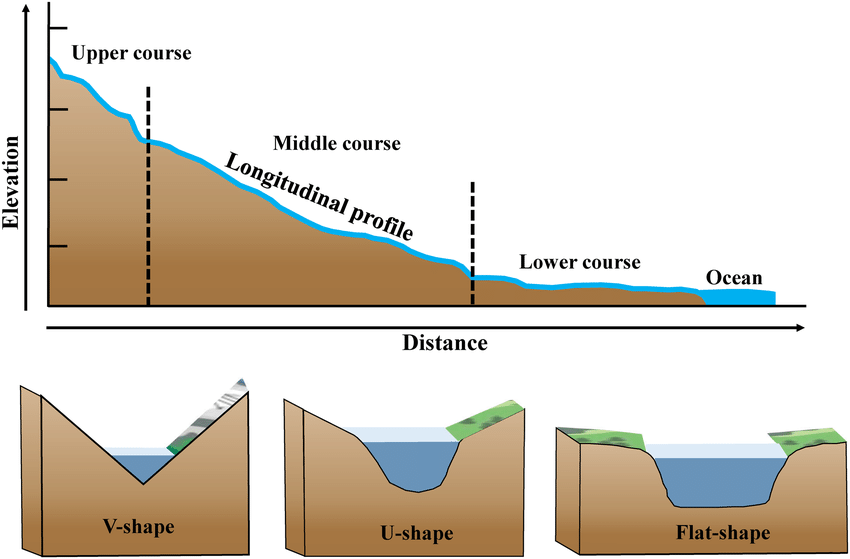
The Long Profile Of A River A Level Geography Revision
It's Adjacent To The Chicago River, And Sometimes Gets Flooded After Heavy Rain.
In This Article You Can Learn:
The Upper Course, Middle Course And Lower Course.
The Bottom Becomes A Mixture Of Silt And Gravel.
Related Post: