
Raku Pottery Courses
Raku Pottery Courses - Raku is an exciting and instinctive rapid firing process, an ancient japanese style of pottery where ceramic vessels are rapidly fired to 1000 c. Exciting and fast moving, using heat, sawdust, fire and smoky bins, this stunning firing technique is irresistible and very much in vogue. Come and enjoy an exciting workshop experimenting in this ancient japanese raku technique of glazing and firing pottery. Raku is a low fire process, reaching around 1830f (1000c) at its highest temperature. You’ll select from a variety of specialized raku glazes to create distinctive, shiny, and impressive finishes on your pottery. Helen and eunice will guide you through the process of glazing and raku firing up to 6 pieces. Japanese raku kiln firing method. In raku, pottery is removed from the kiln when red hot. Blending glaze and resistance slip: It is impossible for even a seasoned raku potter to predict a result or be a perfectionist! If you have tried raku before you know what fun it is, if not you have a great experience ahead of you. You’ll select from a variety of specialized raku glazes to create distinctive, shiny, and impressive finishes on your pottery. Explore the necessary tools for a successful raku firing. Helen and eunice will guide you through the process of glazing and raku firing up to 6 pieces. I’ll guide you and show you techniques in hand building and/or wheel throwing so that you’ll have your own original pieces to raku fire. This class is for those who want immediate gratification with an extravagant outcome! Arrive with up to four bisqued pieces ready to glaze and fire using traditional raku techniques! It is impossible for even a seasoned raku potter to predict a result or be a perfectionist! Raku, an ancient japanese firing technique, creates stunning effects and unpredictable glaze patterns, giving each piece its own character and beauty. Close toe shoes are a must. Blending glaze and resistance slip: Relaxing and mindful, the raku garden offers one week hand building pottery courses in our beautiful garden near an old fishing village overlooking the sea, and dalmatian coast, on the island of brač, croatia I’ll guide you and show you techniques in hand building and/or wheel throwing so that you’ll have your own original pieces. It is impossible for even a seasoned raku potter to predict a result or be a perfectionist! This class is for those who want immediate gratification with an extravagant outcome! Explore the necessary tools for a successful raku firing. Raku is a low fire process, reaching around 1830f (1000c) at its highest temperature. In raku, pottery is removed from the. Glazing and firing workshops and courses, decorate your ceramic art and find glazing and firing workshops; Step into the world of raku firing with renowned artist david roberts in this exclusive workshop video! This style of firing includes heating the ware to 1200°, pulling the glowing pot out of the kiln and decorating the piece using horsehair, feathers and sugar.. This class is for those who want immediate gratification with an extravagant outcome! Students of all abilities from complete beginners to experienced potters are very welcome! The ancient japanese firing method called raku combines chemistry, fire and smoke to produce gorgeous displays of color and lusters. Raku is a low fire process, reaching around 1830f (1000c) at its highest temperature.. Do you want to practice the ancient art of raku firings? Helen and eunice will guide you through the process of glazing and raku firing up to 6 pieces. This style of firing includes heating the ware to 1200°, pulling the glowing pot out of the kiln and decorating the piece using horsehair, feathers and sugar. Glazing and firing workshops. This class is for those who want immediate gratification with an extravagant outcome! Blending glaze and resistance slip: $358 • registration opens friday, march 14. Glazing and firing workshops and courses, decorate your ceramic art and find glazing and firing workshops; The raku technique is essentially when glazed ceramics are taken from the kiln while they are still glowing red. Raku is an exciting and instinctive rapid firing process, an ancient japanese style of pottery where ceramic vessels are rapidly fired to 1000 c. Japanese raku kiln firing method. Great fun, steam, smoke and flames. The ancient japanese firing method called raku combines chemistry, fire and smoke to produce gorgeous displays of color and lusters. This style of firing includes. No class april 17 & may 8. You’ll select from a variety of specialized raku glazes to create distinctive, shiny, and impressive finishes on your pottery. The ancient japanese firing method called raku combines chemistry, fire and smoke to produce gorgeous displays of color and lusters. Arrive with up to four bisqued pieces ready to glaze and fire using traditional. Arrive with up to four bisqued pieces ready to glaze and fire using traditional raku techniques! If you have tried raku before you know what fun it is, if not you have a great experience ahead of you. Paseo pottery conducts raku workshops on the third friday of every month! Close toe shoes are a must. Exciting and fast moving,. Discover techniques in raku, slip and embossing. Raku is an exciting and instinctive rapid firing process, an ancient japanese style of pottery where ceramic vessels are rapidly fired to 1000 c. Step into the world of raku firing with renowned artist david roberts in this exclusive workshop video! Great fun, steam, smoke and flames. This style of firing includes heating. Paseo pottery conducts raku workshops on the third friday of every month! $358 • registration opens friday, march 14. Arrive with up to four bisqued pieces ready to glaze and fire using traditional raku techniques! Helen and eunice will guide you through the process of glazing and raku firing up to 6 pieces. The raku technique is essentially when glazed ceramics are taken from the kiln while they are still glowing red hot and are then placed in a material that would be able to catch fire, such as sawdust or newspaper. 2 dedicated wheels are available in the front. Raku is a low fire process, reaching around 1830f (1000c) at its highest temperature. Come and enjoy an exciting workshop experimenting in this ancient japanese raku technique of glazing and firing pottery. No class april 17 & may 8. Step into the world of raku firing with renowned artist david roberts in this exclusive workshop video! Experience the unique and exciting art of raku pottery in our raku pottery workshops, where tradition meets spontaneity! It is impossible for even a seasoned raku potter to predict a result or be a perfectionist! Japanese raku kiln firing method. This style of firing includes heating the ware to 1200°, pulling the glowing pot out of the kiln and decorating the piece using horsehair, feathers and sugar. It is cooled rapidly, often in combustible material like sawdust or paper. If you have tried raku before you know what fun it is, if not you have a great experience ahead of you.
Brightfire Pottery Raku pottery, courses and in Devon

Raku vase front view Lulu pottery/ Tracy Gurdian Pottery, Pottery
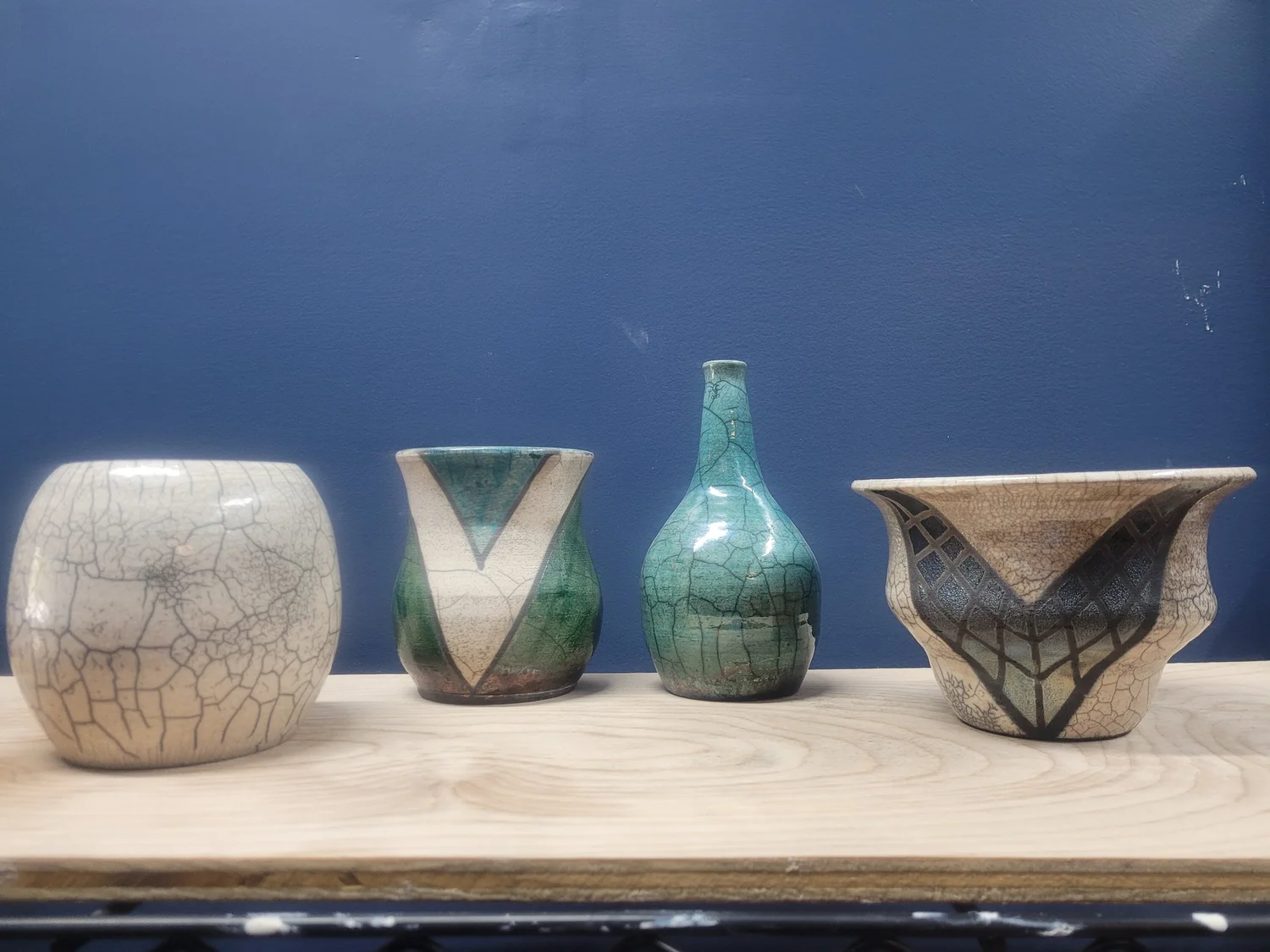
Raku — BISC Pottery Studio
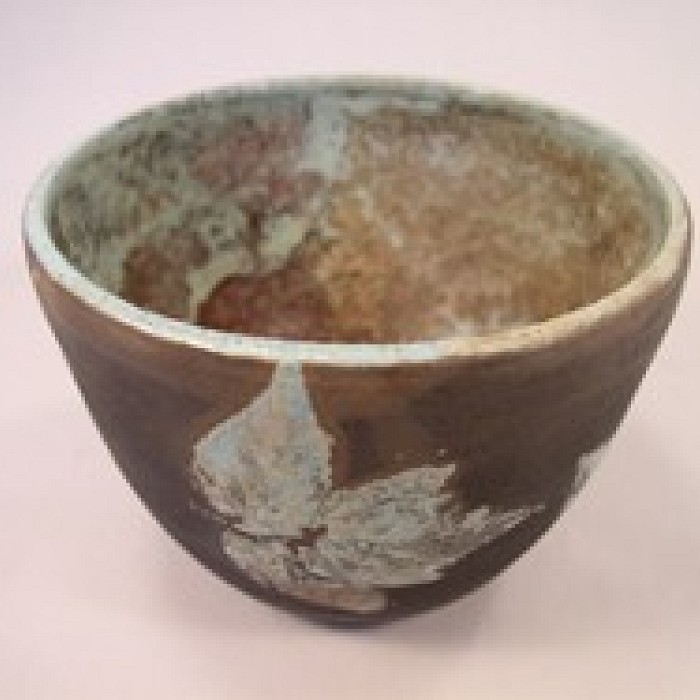
Raku Pottery Experience, North House Folk School Course

Joe Clark Raku pottery River Arts Inc.

Brightfire Pottery Raku pottery, courses and in Devon

Enjoyable Weekend Residential POTTERY COURSES Anthony Lean's RAKU

Advanced Pottery Courses Details Raku Pottery Courses and Pottery
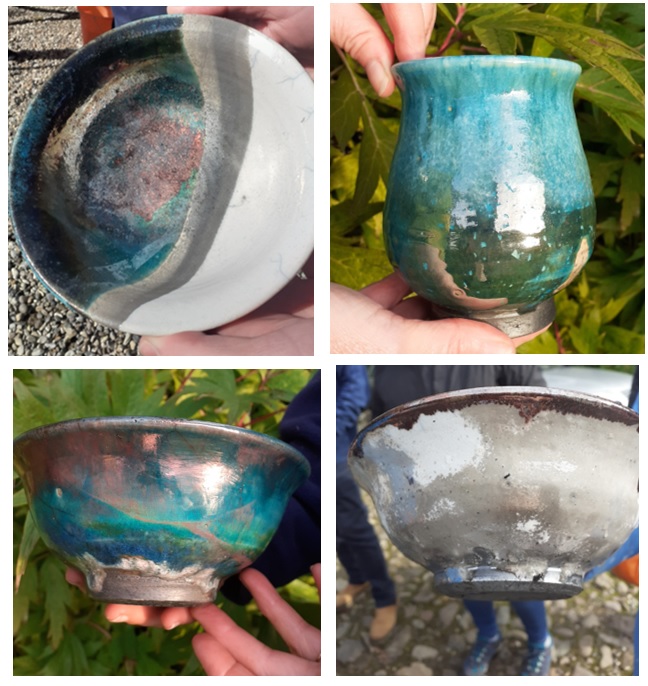
Raku Pottery Quirky Craft and Courses
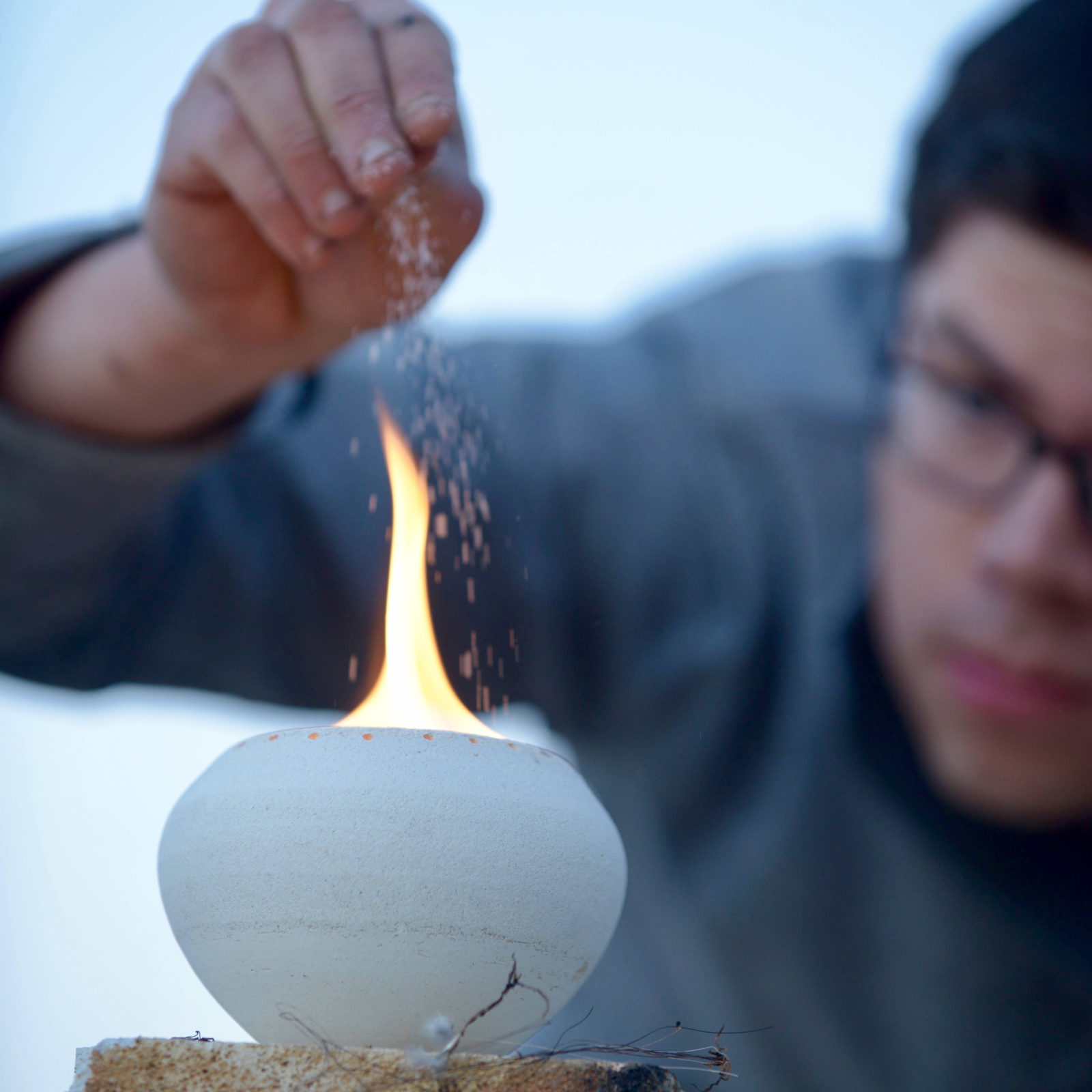
Raku Pottery Class The Ploughshare Institute
Do You Want To Practice The Ancient Art Of Raku Firings?
Join Us At Clayworks For Raku Firing!
Start By Selecting The Perfect Clay For Our Raku Firing.
Relaxing And Mindful, The Raku Garden Offers One Week Hand Building Pottery Courses In Our Beautiful Garden Near An Old Fishing Village Overlooking The Sea, And Dalmatian Coast, On The Island Of Brač, Croatia
Related Post: