
Golf Course Hazards
Golf Course Hazards - In this article, we will explore some of the primary dangers associated with playing golf. It's a challenge deliberately integrated into the course layout that can test your skills, your strategy, and sometimes, your patience. A right to left ball flight is preferable as there are more dog leg lefts than rights. A green is seriously elevated above a fairway (blind landing); Special rules apply to play balls that fall in a hazard. The location of a green can also work to increase the number of putts taken — water hazards or deep bunkers immediately adjacent to a green; So when we’re out on the course, there’s a few different types of hazards we gotta watch out. Here are some of the most basic safety hazards you are likely to find on a golf course though: Common hazards include water, sand traps, out of bounds areas, and rough. These hazards can lead to serious injuries, such as broken bones, head injuries, and sprains. A green is seriously elevated above a fairway (blind landing); These injuries can occur due to improper form or overexertion. What hazards are associated with golf courses and employee activities while working at a golf course? By focusing on these elements, you can effectively tackle any obstacle that comes your way. They come in many forms, from sand traps and water hazards to trees and bushes. A hazard is an area of a golf course in the sport of golf which provides a difficult obstacle, which may be of two types: From bunkers and water hazards to trees and roughs, there’s no shortage of obstacles to test your skills. A penalty area was previously referred to as a water hazard. In this post, we’ll dive into the different types of hazards you might encounter on a golf course, along with useful tips on how to navigate them and the rules that govern these areas. This information will help you improve your game and avoid costly mistakes. Test your accuracy with our fairways, water hazards and sand traps; So when we’re out on the course, there’s a few different types of hazards we gotta watch out. By understanding the rules and practicing effective techniques, you can navigate penalty areas, bunkers, ob situations, and natural hazards with confidence. A green is seriously elevated above a fairway (blind landing);. In this article, we will explore some of the primary dangers associated with playing golf. Golf involves repetitive swinging motions, which can lead to strains and sprains in various parts of the body, such as the back, shoulders, and wrists. These injuries can occur due to improper form or overexertion. Here are some of the most basic safety hazards you. The location of a green can also work to increase the number of putts taken — water hazards or deep bunkers immediately adjacent to a green; These injuries can occur due to improper form or overexertion. A golf hazard is a part or area at a golf course which is essentially an obstacle. From bunkers and water hazards to trees. Mastering the various hazards on a golf course requires a combination of knowledge, skill, and strategic thinking. Or, land surrounding the course mysteriously affects all putts. Golf course hazards are an important factor to consider when playing a round of golf. Golf courses are full of potential risks that can make a round of golf more challenging and exciting. Golf. Navigating specific hazards on a golf course requires a blend of technique, strategy, and mental fortitude. (1) penalty areas such as lakes and rivers; A penalty area was previously referred to as a water hazard. A right to left ball flight is preferable as there are more dog leg lefts than rights. The fazio design is penal and rewards successful. Or, land surrounding the course mysteriously affects all putts. A right to left ball flight is preferable as there are more dog leg lefts than rights. A green is seriously elevated above a fairway (blind landing); They come in many forms, from sand traps and water hazards to trees and bushes. These hazards are typically located in key areas of. A penalty area was previously referred to as a water hazard. It can be one of two types: Golf course hazards come in a variety of forms, each requiring a unique approach to navigate successfully. These injuries can occur due to improper form or overexertion. Common hazards include water, sand traps, out of bounds areas, and rough. These hazards can lead to serious injuries, such as broken bones, head injuries, and sprains. Multiple teeing areas accommodate golfers of all levels, along with a practice area and a pro shop. Knowing how to identify and understand these hazards can help you avoid them and improve your game. This information will help you improve your game and avoid costly. What are hazards in golf? Or, land surrounding the course mysteriously affects all putts. These hazards are typically located in key areas of the course, such as along the sides of the fairway, near the greens, or within landscaped areas. Here are some of the most basic safety hazards you are likely to find on a golf course though: For. Multiple teeing areas accommodate golfers of all levels, along with a practice area and a pro shop. Golf involves repetitive swinging motions, which can lead to strains and sprains in various parts of the body, such as the back, shoulders, and wrists. We have everything you need to challenge you and improve your game. In this post, we’ll dive into. Bunkers are sand traps strategically placed around the greens and fairways. Or, land surrounding the course mysteriously affects all putts. By focusing on these elements, you can effectively tackle any obstacle that comes your way. Navigating specific hazards on a golf course requires a blend of technique, strategy, and mental fortitude. But don’t worry, we’ve got you covered. The location of a green can also work to increase the number of putts taken — water hazards or deep bunkers immediately adjacent to a green; Multiple teeing areas accommodate golfers of all levels, along with a practice area and a pro shop. The golf course industry faces a number of unique hazards, including wild animals, bodies of water, tall trees and slopes, and steep inclines. This information will help you improve your game and avoid costly mistakes. These hazards are typically located in key areas of the course, such as along the sides of the fairway, near the greens, or within landscaped areas. These hazards can lead to serious injuries, such as broken bones, head injuries, and sprains. Special rules apply to play balls that fall in a hazard. Golf hazards can be defined as any obstacle that causes a golfer to lose strokes on their scorecard. (1) penalty areas such as lakes and rivers; Knowing the types of hazards found on golf courses is an important part of. A golf hazard is a part or area at a golf course which is essentially an obstacle.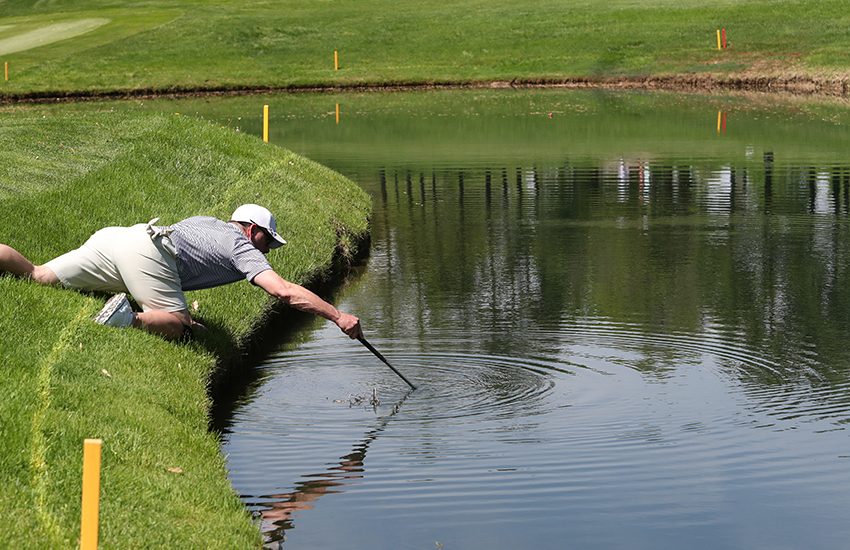
The Quick Guide to Yellow and Red Staked Water Hazards Ship Sticks
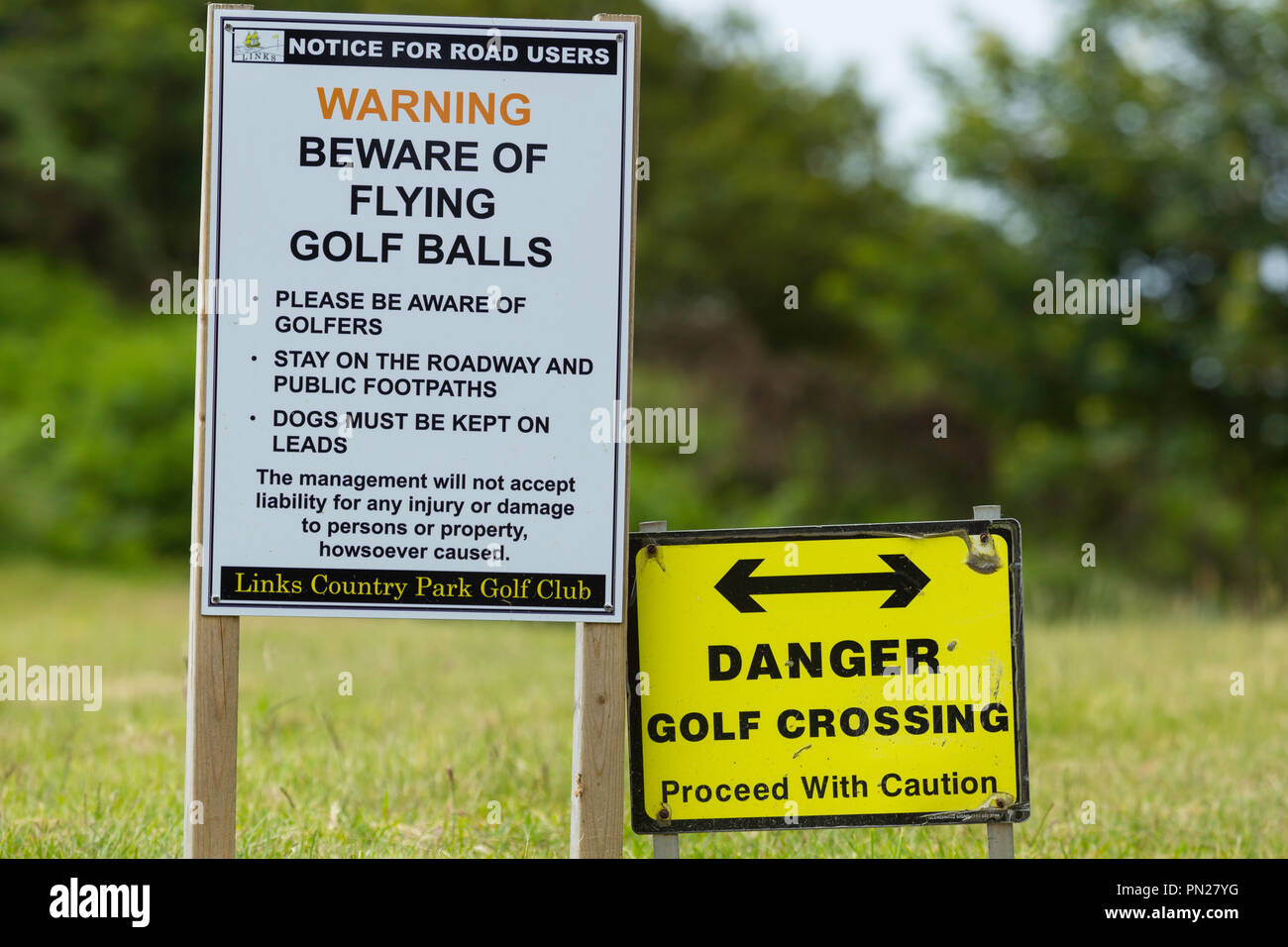
What Does The Red Hazard Line Mean In Golf
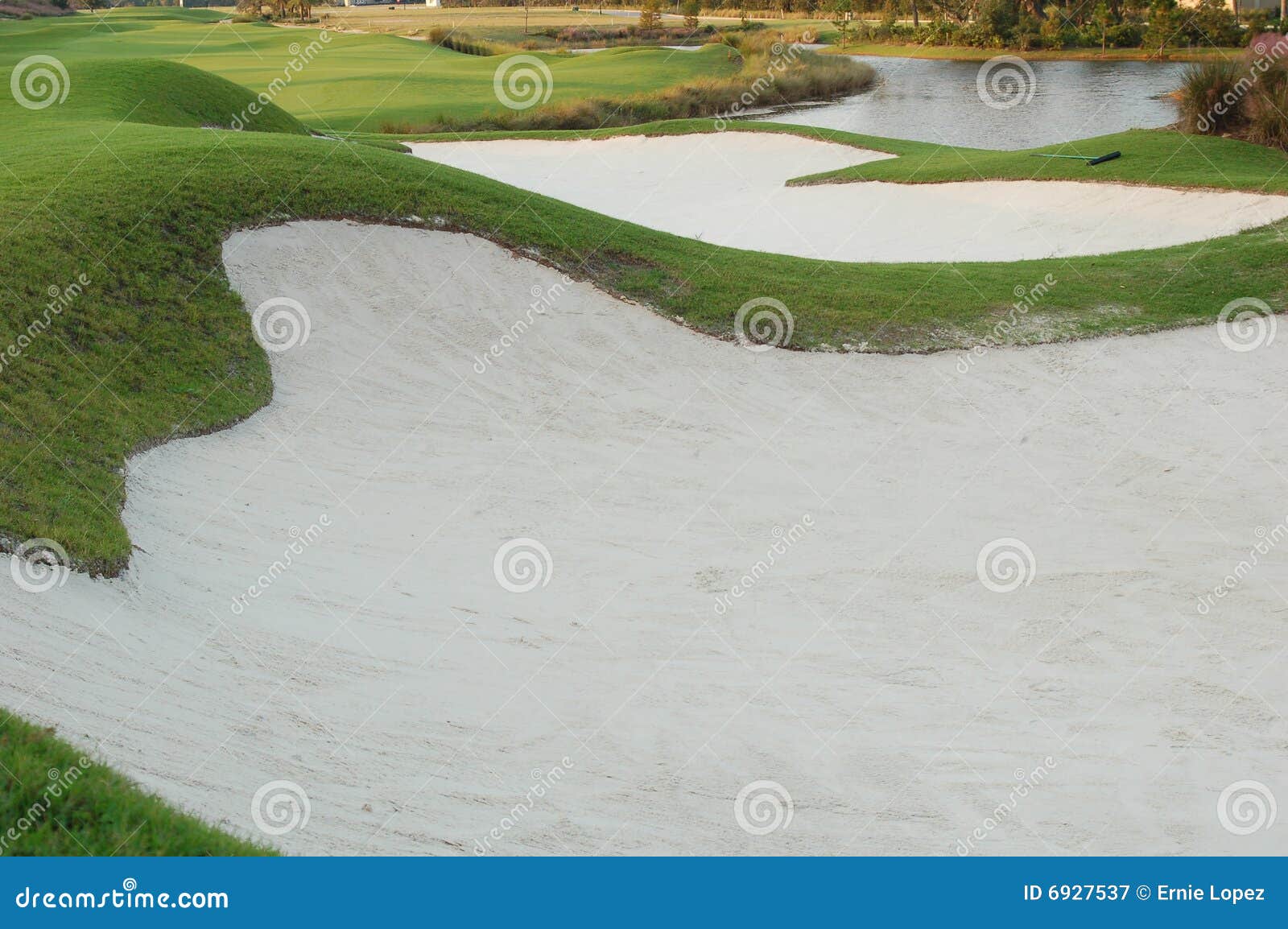
Golf Hazards stock image. Image of shot, rake, water, hazard 6927537

What is a Lateral Hazard in Golf? A Comprehensive Guide The Knowledge Hub

What Is A Hazard In Golf? An InDepth Look Into Its Rules 2023
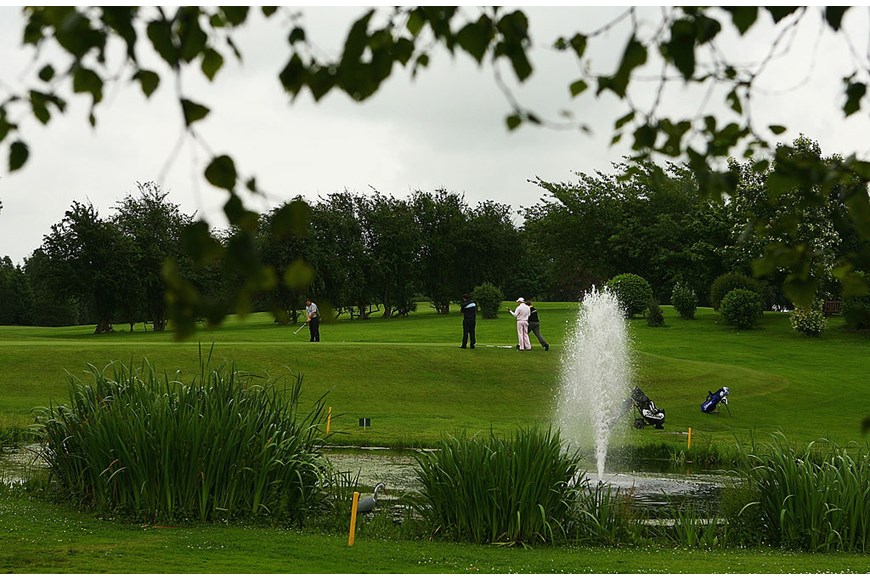
Rules of Golf Our guide to coloured hazards on the golf course

Hazards in golf Knowing what they are and getting around them to push

Navigating Golf Course Hazards
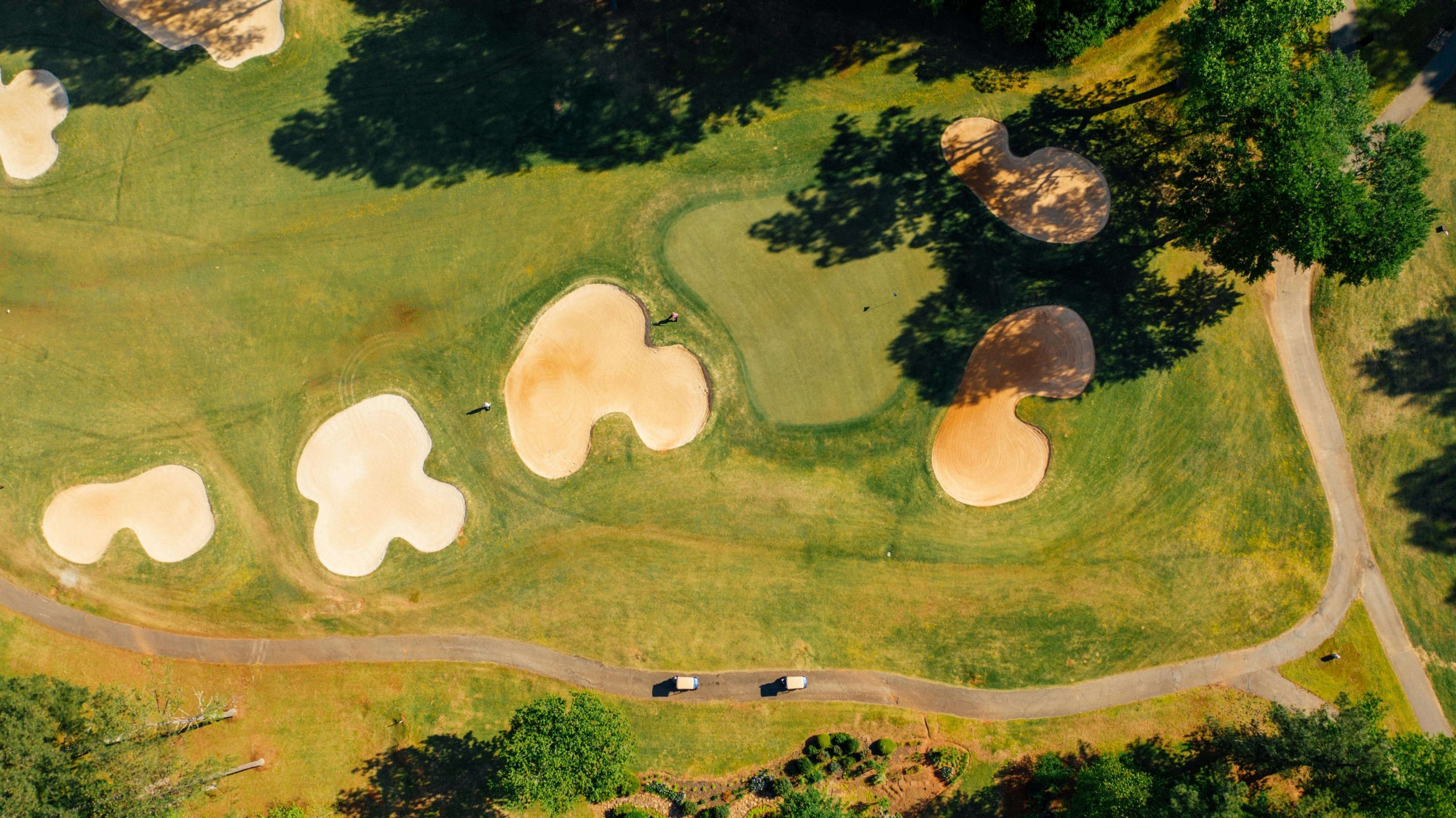
Navigating Golf Course Hazards A Guide to Mastering Challenges Gears

Lateral Water Hazard Rule Diagram Golf Rules Hazard Water Ba
A Penalty Area Was Previously Referred To As A Water Hazard.
The Fazio Design Is Penal And Rewards Successful Positioning And Shot Shaping.
Golf Courses Are Full Of Potential Risks That Can Make A Round Of Golf More Challenging And Exciting.
Test Your Accuracy With Our Fairways, Water Hazards And Sand Traps;
Related Post: