
Dendrology Courses
Dendrology Courses - (2 hours lecture, 3 hours lab). Are you interested in working to conserve our natural resources and help keep people connected with nature? Take courses specific to dendrology and plant sciences. Electricity, nuclear physics, physics, quantum mechanics, radioactivity, relativity, solid state physics, and thermodynamics. Fish, wildlife and conservation biology emphasizes the ecology, conservation, and sustainable management of fish and wildlife species and communities. Builds on concepts from botany and ecology with an emphasis on woody plant systematics and silvics. Dendrology is the study of trees and other woody plants. It is designed for students interested in understanding interactions among humans, wild animals, and their habitats. Dendrology, ecosystems, entomology, forestry courses as related to ecology and habitat management, population dynamics, and silviculture. In addition to traditional extension and outreach, the extension forestry program also teaches undergraduate courses in dendrology and chainsaw safety, conducts applied natural resource research, and maintains multiple demonstration sites and projects. The iaa and crti urban forestry basic training course is designed for individuals who are not forestry professionals and who work with or near trees or manage staff or contractors who work with trees. September 25 to november 6, 2024 In dendrology and introduction to tree and shrub identification, students learn the taxonomy, geographic range, natural history, ecological relationships, and uses of major tree and shrub families found in new england. Take courses specific to dendrology and plant sciences. Get to know the common trees you see in local preserves or in your neighborhood. This could include courses in botany, plant physiology, plant taxonomy, ecology, forest ecology and conservation. Identification, classification, and distribution of common trees and shrubs found in the western united states and major tree species of north america. With a certificate or degree in forestry, wildlife or natural resources from front range community college, you’ll be at the forefront of conserving our planet. Seasonal dendrology workshop and fall stewardship workshop, and the master ecologist course. Selection of courses must include core classes, but beyond that, will depend on a student’s major and interests. Seasonal dendrology workshop and fall stewardship workshop, and the master ecologist course. Dendrology, ecosystems, entomology, forestry courses as related to ecology and habitat management, population dynamics, and silviculture. This online course is going to show you what it takes to become an expert in dendrology. In the classroom and in the field, your primary emphasis will be on the science. The following courses are available for students pursuing an urban forestry minor or an emphasis in regional and community forestry within their natural resources degree. In addition to traditional extension and outreach, the extension forestry program also teaches undergraduate courses in dendrology and chainsaw safety, conducts applied natural resource research, and maintains multiple demonstration sites and projects. In dendrology and. In the classroom and in the field, your primary emphasis will be on the science of arboriculture and tree health, including best practices in tree surgery and care. Students learn about these trees and shrubs through the use of classroom lecture, dichotomous keys, and outdoor identification of leaves, fruit, twigs, bark, buds, and form. In this course, you will learn. Electricity, nuclear physics, physics, quantum mechanics, radioactivity, relativity, solid state physics, and thermodynamics. Graduates are employed as tree surgeons, city arborists, landscape managers and plant health care specialists throughout the us. Module 1 will cover the basics of tree identification, including tree types and species. Are you interested in working to conserve our natural resources and help keep people connected. Dendrology and silvics provides the student with an understanding of how trees interact with their environment and with one another, at different spatial and temporal scales. Graduates are employed as tree surgeons, city arborists, landscape managers and plant health care specialists throughout the us. This could include courses in botany, plant physiology, plant taxonomy, ecology, forest ecology and conservation. Builds. Selection of courses must include core classes, but beyond that, will depend on a student’s major and interests. In the classroom and in the field, your primary emphasis will be on the science of arboriculture and tree health, including best practices in tree surgery and care. Dendrology, ecosystems, entomology, forestry courses as related to ecology and habitat management, population dynamics,. Identification, classification, and distribution of common trees and shrubs found in the western united states and major tree species of north america. In order to become a dendrologist, you will need to complete coursework specific to the field of dendrology, which is the study of trees and woody plants. (2 hours lecture, 3 hours lab). Electricity, nuclear physics, physics, quantum. Fish, wildlife and conservation biology emphasizes the ecology, conservation, and sustainable management of fish and wildlife species and communities. Module 1 will cover the basics of tree identification, including tree types and species. Get to know the common trees you see in local preserves or in your neighborhood. Dendrology, ecosystems, entomology, forestry courses as related to ecology and habitat management,. In addition to traditional extension and outreach, the extension forestry program also teaches undergraduate courses in dendrology and chainsaw safety, conducts applied natural resource research, and maintains multiple demonstration sites and projects. Dendrology is the study of trees and other woody plants. Fish, wildlife and conservation biology emphasizes the ecology, conservation, and sustainable management of fish and wildlife species and. In addition to traditional extension and outreach, the extension forestry program also teaches undergraduate courses in dendrology and chainsaw safety, conducts applied natural resource research, and maintains multiple demonstration sites and projects. Coursework may include subjects such as tree identification, dendrology, plant physiology, ecology, genetics, and environmental science. This could include courses in botany, plant physiology, plant taxonomy, ecology, forest. Dendrology and silvics provides the student with an understanding of how trees interact with their environment and with one another, at different spatial and temporal scales. Builds on concepts from botany and ecology with an emphasis on woody plant systematics and silvics. Module 1 will cover the basics of tree identification, including tree types and species. In addition to traditional extension and outreach, the extension forestry program also teaches undergraduate courses in dendrology and chainsaw safety, conducts applied natural resource research, and maintains multiple demonstration sites and projects. Dendrology is the study of trees and other woody plants. Look for accredited universities or colleges that offer programs with a focus on dendrology or forestry. The iaa and crti urban forestry basic training course is designed for individuals who are not forestry professionals and who work with or near trees or manage staff or contractors who work with trees. In module 2 we are going to learn about flowering trees. Get to know the common trees you see in local preserves or in your neighborhood. This online course is going to show you what it takes to become an expert in dendrology. Basic dendrology course focuses on basic tree identification by looking at geographic location, tree structure, tree bark, leaf structure and seed type. Take courses specific to dendrology and plant sciences. In this course, you will learn how to id a tree by: Graduates are employed as tree surgeons, city arborists, landscape managers and plant health care specialists throughout the us. Selection of courses must include core classes, but beyond that, will depend on a student’s major and interests. Students learn about these trees and shrubs through the use of classroom lecture, dichotomous keys, and outdoor identification of leaves, fruit, twigs, bark, buds, and form.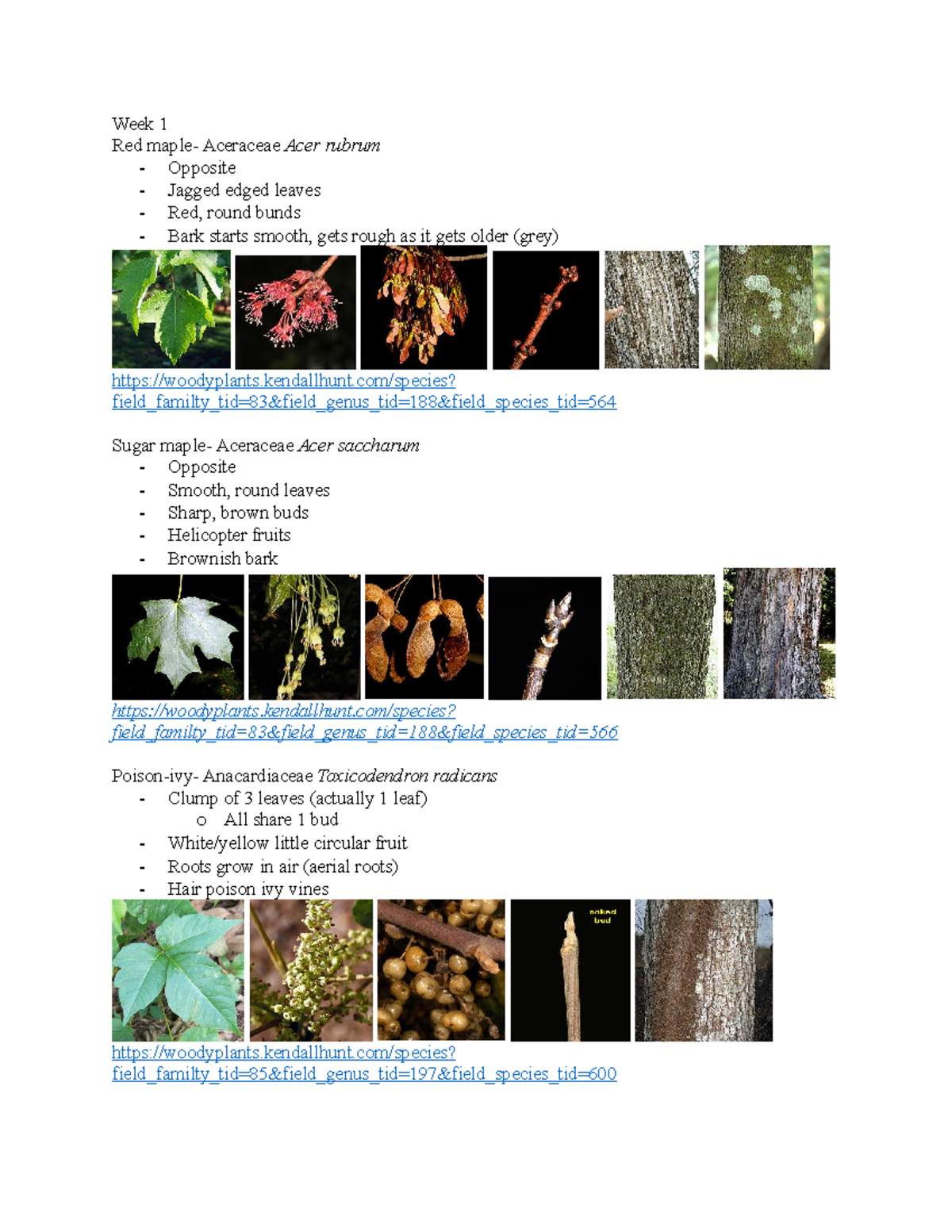
Dendrology Notes Week 1 Red maple Aceraceae Acer rubrum Opposite

Dendrology Identify Forest Trees PAFS Cook Forest Conservancy

MBG Research Ecuador Botanical Exploration of the Cordillera del
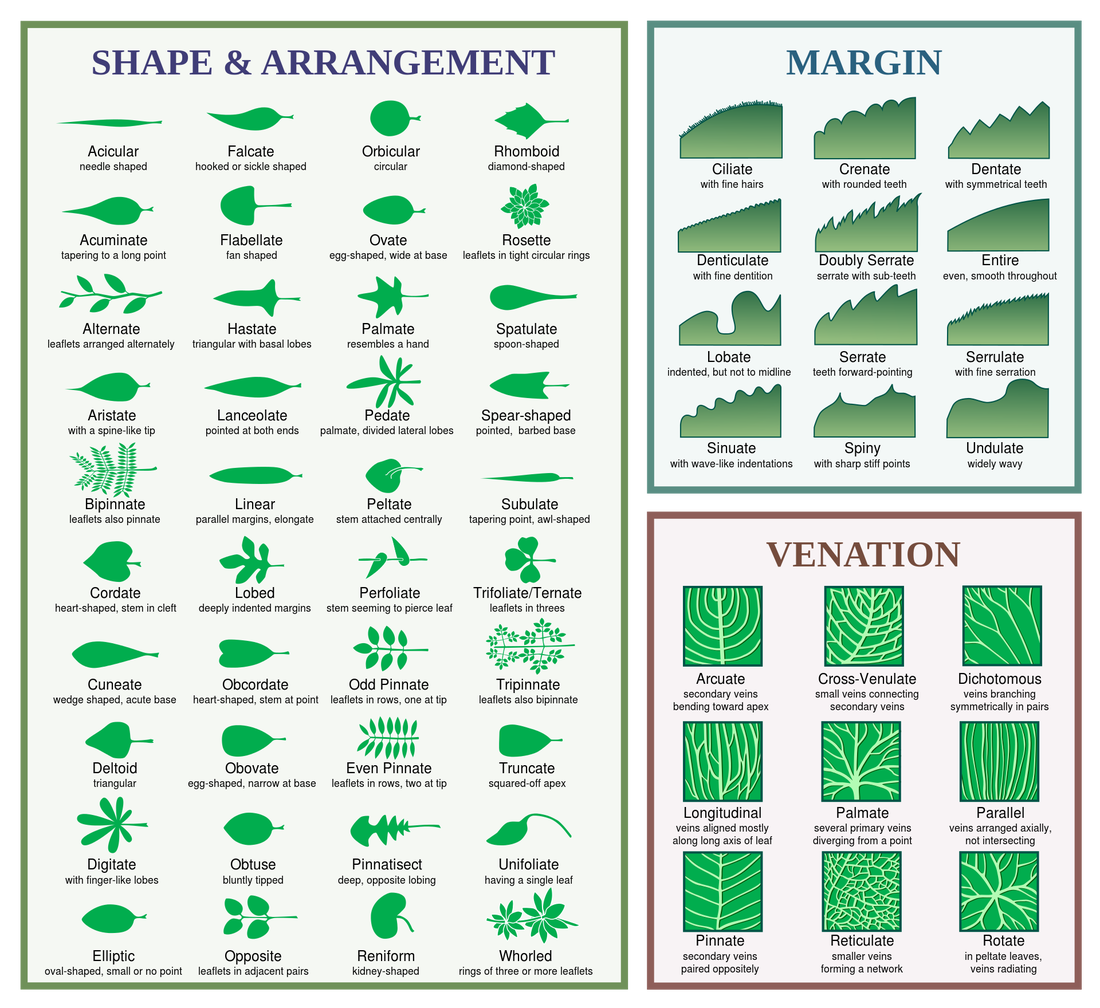
Dendrology

ActiveLearning Fellows Revamping a Graduatelevel Dendrology Course
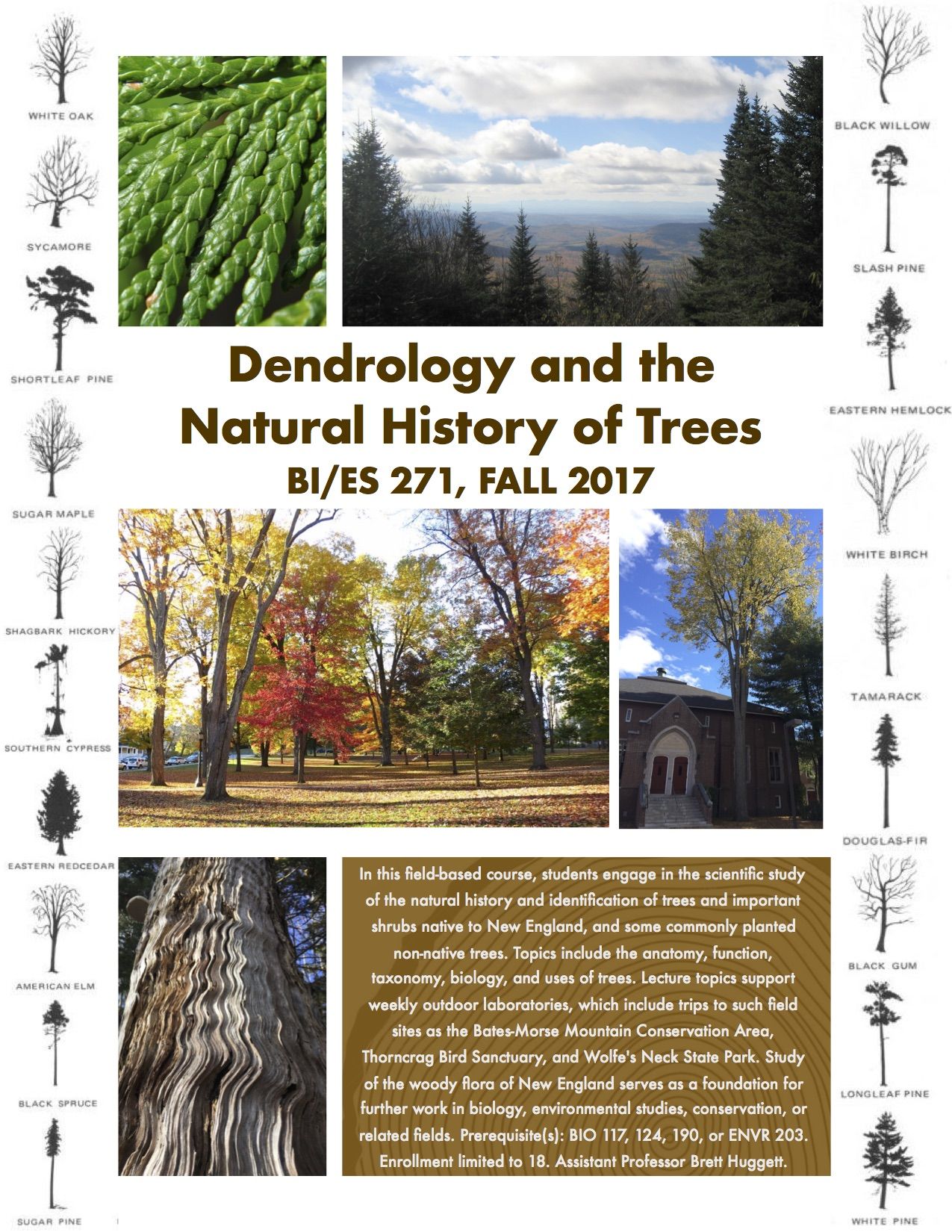
Teaching Huggett Lab Bates College
![Dendrology Woody Plant Identification Online [Class in NYC] New](https://coursehorse.imgix.net/images/course/1031/main/dendrology-woody-plant-identification-3.2-650px.jpg?auto=format%2Cenhance%2Ccompress&crop=entropy&fit=crop&h=630&ixlib=php-1.2.1&q=90&w=1200)
Dendrology Woody Plant Identification Online [Class in NYC] New

Courses Environment Go!
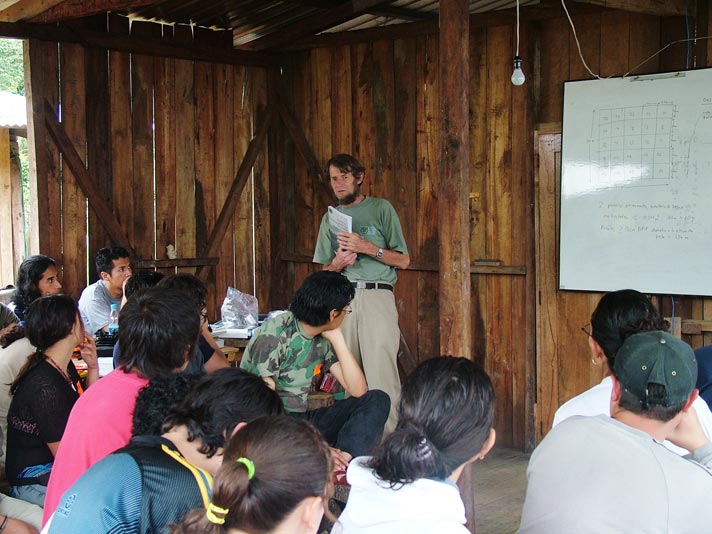
MBG Research Ecuador Botanical Exploration of the Cordillera del
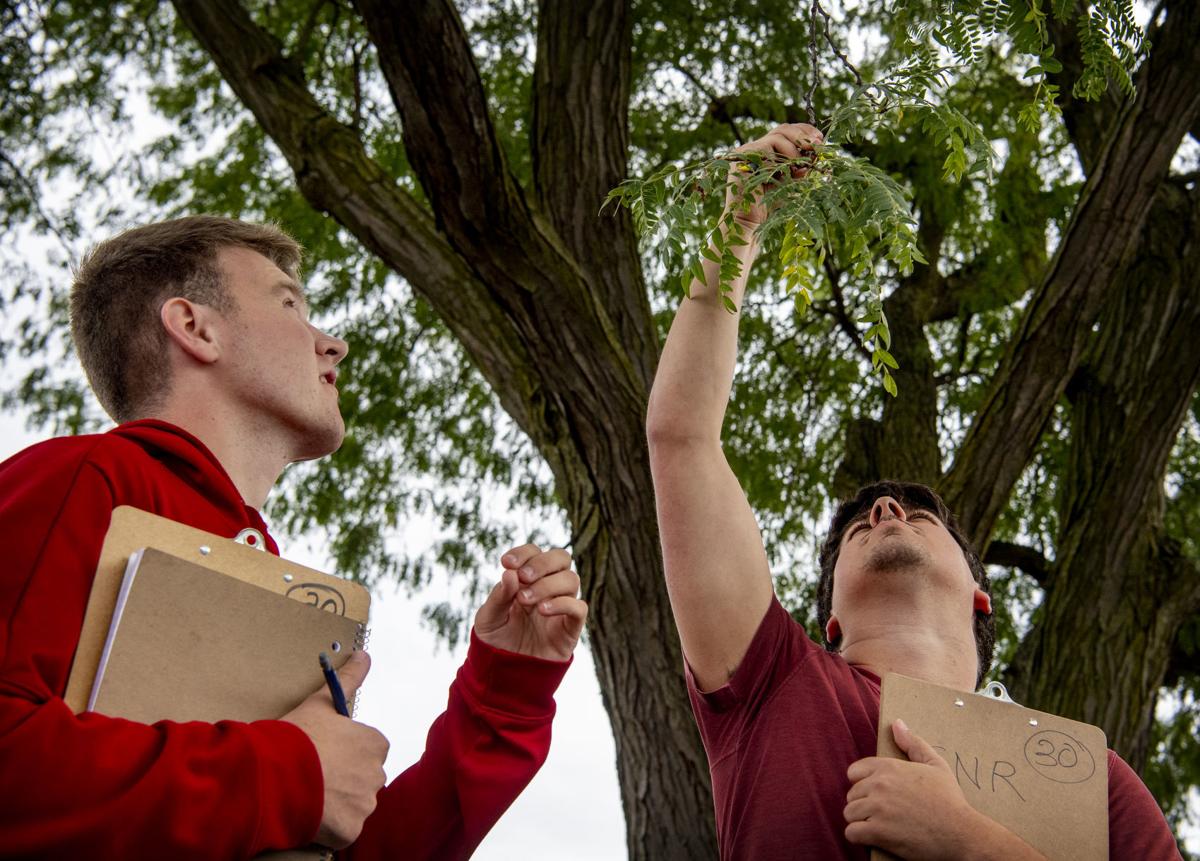
East Campus an outdoor classroom for dendrology students
Field Trips Survey Native Adirondack Trees, Shrubs, And Some Introduced Ornamentals.
Identification, Classification, And Distribution Of Common Trees And Shrubs Found In The Western United States And Major Tree Species Of North America.
In Order To Become A Dendrologist, You Will Need To Complete Coursework Specific To The Field Of Dendrology, Which Is The Study Of Trees And Woody Plants.
Dendrology, Ecosystems, Entomology, Forestry Courses As Related To Ecology And Habitat Management, Population Dynamics, And Silviculture.
Related Post: