
Blockwork Coursing
Blockwork Coursing - Solid dense concrete bricks are recommended for use as coursing units in conjunction with dense aggregate blocks. Blockwork should stop about 25mm below the top of adjacent roof trusses for firestopping. All dimensions in mm format size: The way brick is detailed and set out can transform the way a building looks. Reveals, jambs and window heads. Designed to be used in all types of construction with dense. Brick is one of the most common materials used in architecture. Understanding the different types of brick. Concrete coursing blocks have a reduced height, typically 65mm (the same height as a standard brick), and are used for infilling small areas in walls so that a consistent level (coursing height). It’s inexpensive, durable and versatile. Understanding the different types of brick. The document provides coursing charts for standard and modular bricks. The densities of blocks and concrete bricks are compatible, as are their. Coursing chart standard brick brickwork dimensions bricks per m2 in wall = 48.5 approx. Brick is one of the most common materials used in architecture. They’re essential if you want to avoid. A range of high strength, dense and lightweight coursing units to compliment our concrete block range. Wdl’s dense coursing bricks / blocks are designed to be used for all types of construction above and below dpc level, general coursing work, infilling small areas Coursing blocks are used in masonry work to ensure accurate height adjustments and alignment in block walls. Reveals, jambs and window heads. They’re essential if you want to avoid. All dimensions in mm format size: Wdl’s dense coursing bricks / blocks are designed to be used for all types of construction above and below dpc level, general coursing work, infilling small areas Designed to be used in all types of construction with dense. The densities of blocks and concrete bricks are compatible,. Brick is one of the most common materials used in architecture. Reveals, jambs and window heads. The way brick is detailed and set out can transform the way a building looks. A range of high strength, dense and lightweight coursing units to compliment our concrete block range. Coursing chart for more information call us on 13 15 40 visit our. All dimensions in mm format size: Our range of coursing blocks have been sourced from leading manufacturers such as plasmor and forterra to ensure premium quality products at competitive prices. Much of the guidance in previous sections applies also to timber frame. Understanding the different types of brick. Concrete coursing blocks have a reduced height, typically 65mm (the same height. The way brick is detailed and set out can transform the way a building looks. Makes up courses in blockwork. Coursing chart standard brick brickwork dimensions bricks per m2 in wall = 48.5 approx. Coursing chart for more information call us on 13 15 40 visit our website at midlandbrick.com.au email sales@midlandbrick.com.au. Wdl’s dense coursing bricks / blocks are designed. Blockwork should stop about 25mm below the top of adjacent roof trusses for firestopping. Solid dense concrete bricks are recommended for use as coursing units in conjunction with dense aggregate blocks. The document provides coursing charts for standard and modular bricks. Concrete coursing blocks have a reduced height, typically 65mm (the same height as a standard brick), and are used. Their name comes from their role in helping maintain the height of ‘courses’,. All dimensions in mm format size: Our range of coursing blocks have been sourced from leading manufacturers such as plasmor and forterra to ensure premium quality products at competitive prices. Reveals, jambs and window heads. Makes up courses in blockwork. Blockwork should stop about 25mm below the top of adjacent roof trusses for firestopping. The way brick is detailed and set out can transform the way a building looks. Designed to be used in all types of construction with dense. All dimensions in mm format size: A range of high strength, dense and lightweight coursing units to compliment our concrete. Smaller than regular blocks, coursing bricks are used to make up height in blockwork, fill in around openings, and to level beam and block flooring. Kicker units to bring blockwork to wall height. All dimensions in mm format size: Designed to be used in all types of construction with dense. Concrete coursing blocks have a reduced height, typically 65mm (the. Kicker units to bring blockwork to wall height. Our range of coursing blocks have been sourced from leading manufacturers such as plasmor and forterra to ensure premium quality products at competitive prices. Coursing chart standard brick brickwork dimensions bricks per m2 in wall = 48.5 approx. Coursing chart for more information call us on 13 15 40 visit our website. Reveals, jambs and window heads. The densities of blocks and concrete bricks are compatible, as are their. Kicker units to bring blockwork to wall height. Makes up courses in blockwork. Solid dense concrete bricks are recommended for use as coursing units in conjunction with dense aggregate blocks. Understanding the different types of brick. Their name comes from their role in helping maintain the height of ‘courses’,. The way brick is detailed and set out can transform the way a building looks. Solid dense concrete bricks are recommended for use as coursing units in conjunction with dense aggregate blocks. The densities of blocks and concrete bricks are compatible, as are their. Much of the guidance in previous sections applies also to timber frame. Kicker units to bring blockwork to wall height. Coursing chart standard brick brickwork dimensions bricks per m2 in wall = 48.5 approx. Reveals, jambs and window heads. Smaller than regular blocks, coursing bricks are used to make up height in blockwork, fill in around openings, and to level beam and block flooring. Coursing chart for more information call us on 13 15 40 visit our website at midlandbrick.com.au email sales@midlandbrick.com.au. A range of high strength, dense and lightweight coursing units to compliment our concrete block range. All dimensions in mm format size: Brick is one of the most common materials used in architecture. Coursing blocks are used in masonry work to ensure accurate height adjustments and alignment in block walls. Our range of coursing blocks have been sourced from leading manufacturers such as plasmor and forterra to ensure premium quality products at competitive prices.
Blockwork/Brickwork & Dpc MethodologyLayout of blockwork/brickwork

Coursing and reinforcement for masonry panels (dimensions in meters
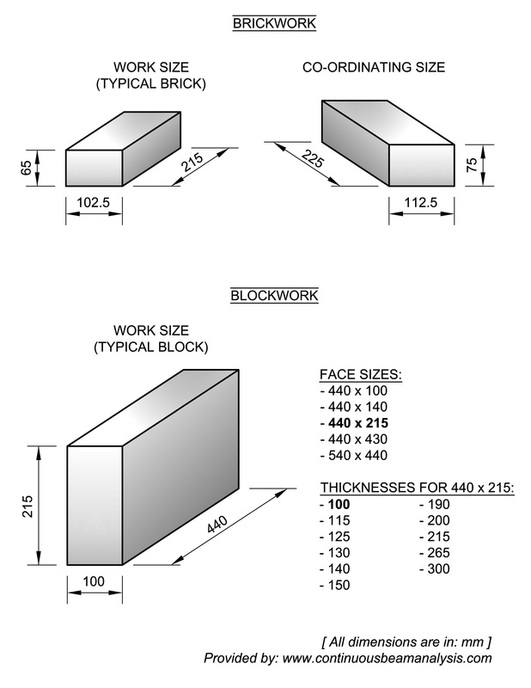
Block & Brick Dimensions
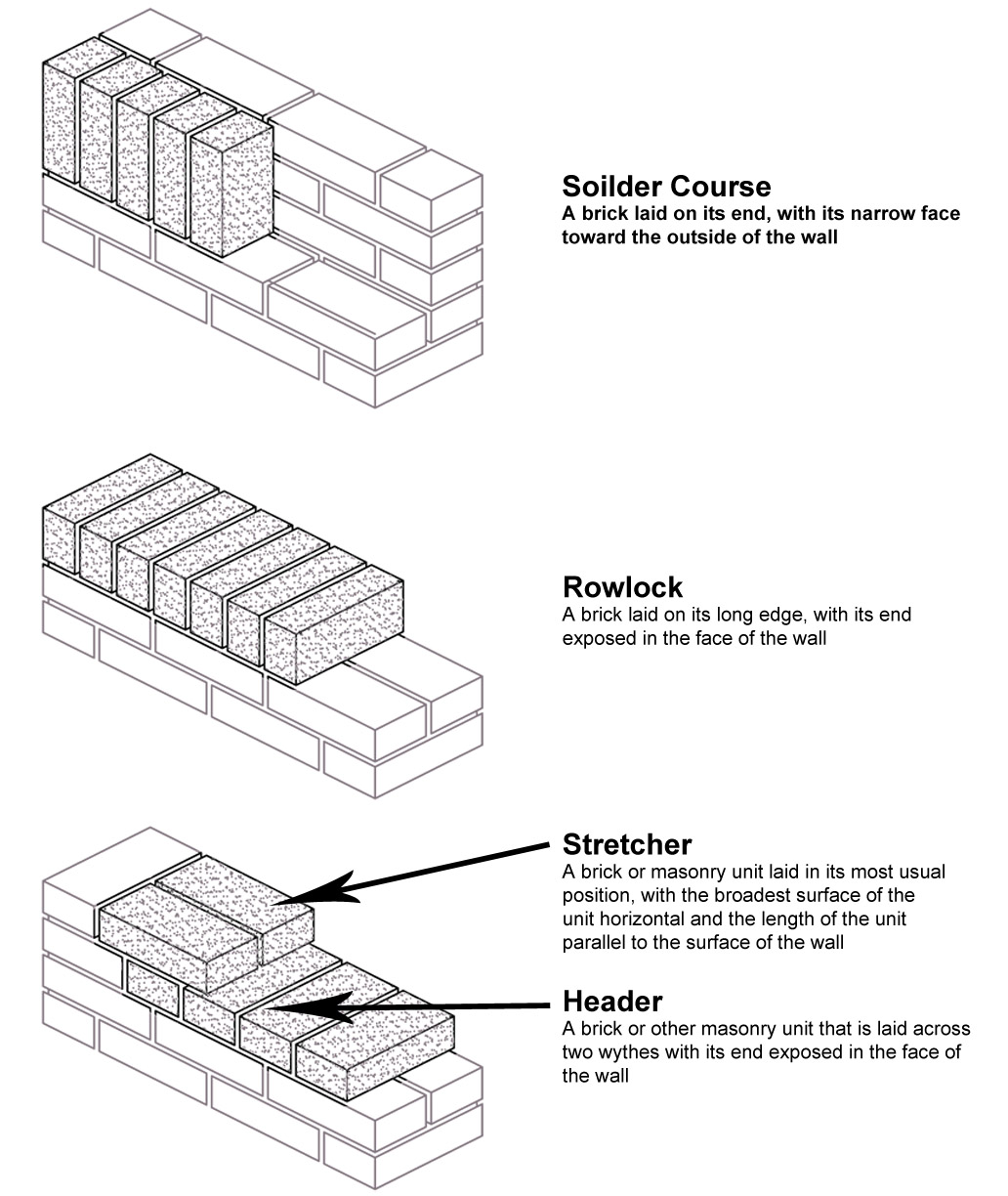
Brick Masonry Buildipedia

Adbri Masonry Versaloc Standard Block 200mm Series Bricks Blocks
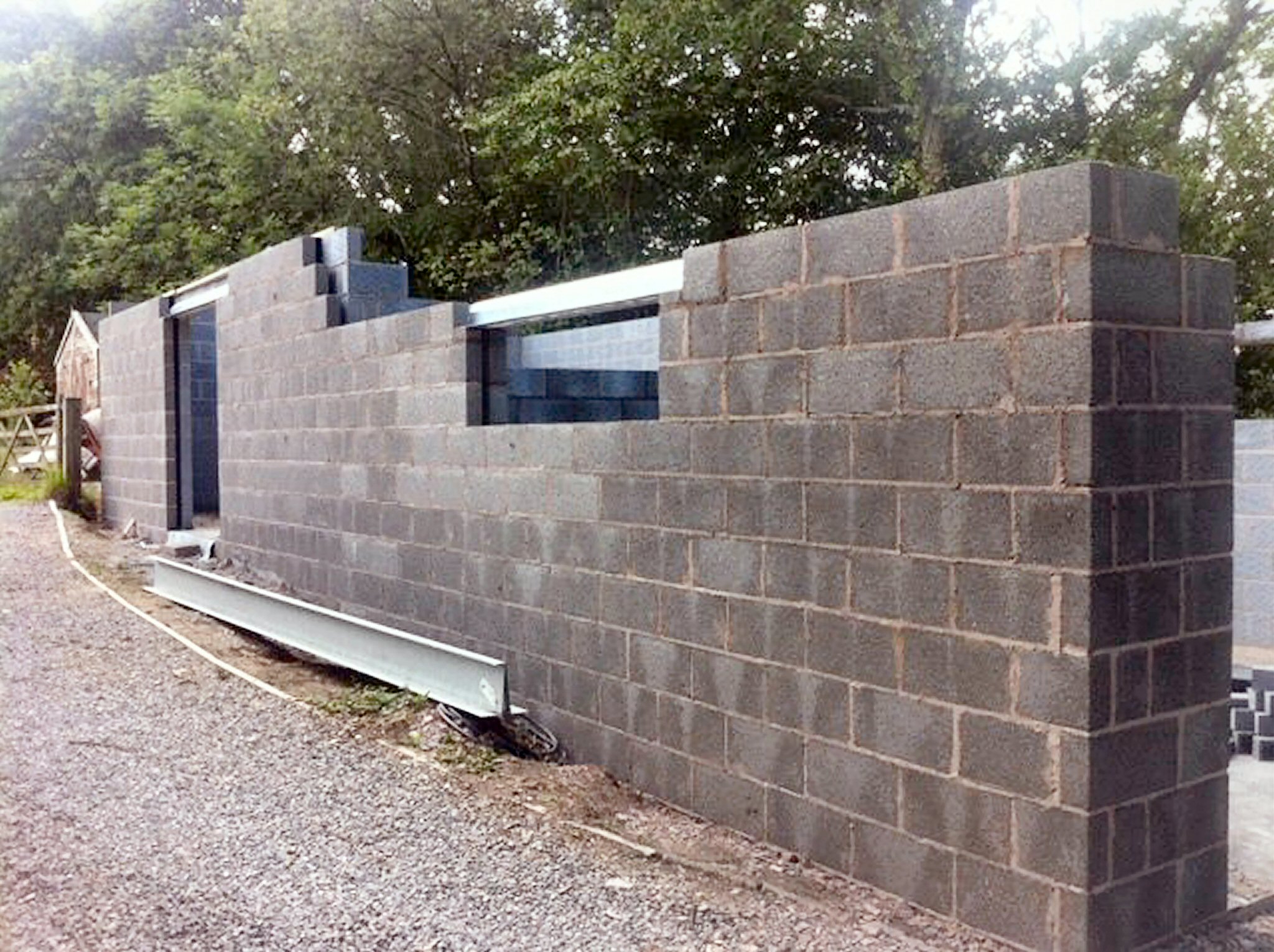
Blockwork Abacus Brickwork and Rendering

Introduction to Blockwork

Ground Floor Brickwork and Blockwork

6.1.11 Construction of masonry walls NHBC Standards 2023 NHBC
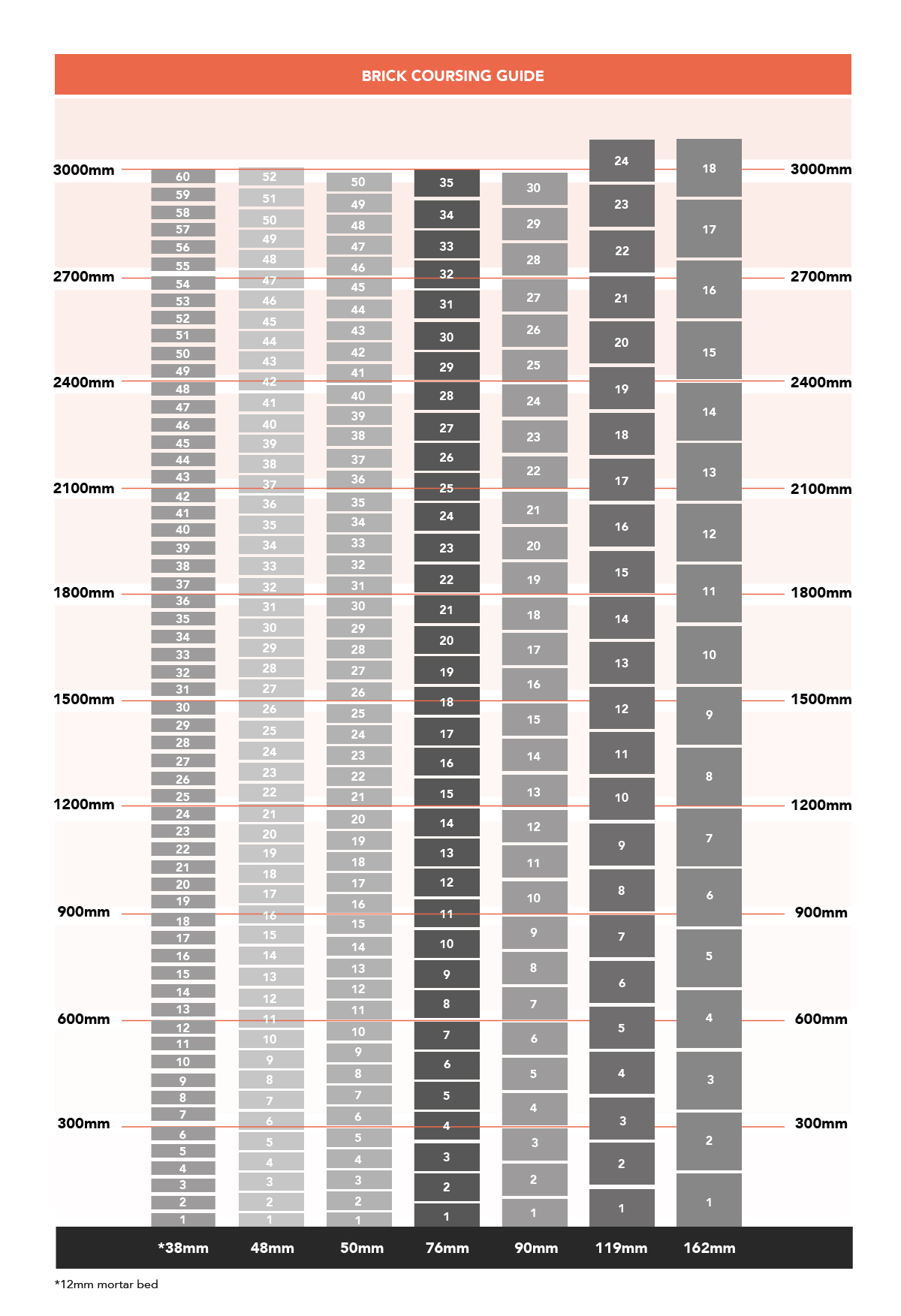
Brick Coursing Chart Brick Chart PGH Bricks
They’re Essential If You Want To Avoid.
Blockwork Should Stop About 25Mm Below The Top Of Adjacent Roof Trusses For Firestopping.
Concrete Coursing Blocks Have A Reduced Height, Typically 65Mm (The Same Height As A Standard Brick), And Are Used For Infilling Small Areas In Walls So That A Consistent Level (Coursing Height).
Designed To Be Used In All Types Of Construction With Dense.
Related Post: