
Bituminous Stabilized Base Course
Bituminous Stabilized Base Course - New data was found for optimizing cement and emulsion. Stabilized bases are composed of aggregate and a stabilizing (bonding) material. In texas, a prime coat is used as a transition layer to ensure bonding of the base and the surface treatment wearing course. For bituminous stabilization, use plants equipped with a metering device that accurately measures the bituminous material into the mixer within the tolerances specified in section 302.3.05.b. Bituminous soil stabilization refers to a process by which a controlled amount of bituminous material is thoroughly mixed with an existing soil or aggregate material to form a stable base. Under rigid pavements, the base course is used to: A one course surface treatment is constructed by spraying asphalt. The the aggregates are generally well graded but can be open graded. Base stabilized method using cement and bitumen emulsion and compared with conventional pavement. This work shall consist of furnishing and placing a course of bituminous5 stabilized granular material and stabilized reclaimed asphalt pavement shoulder in conformance with this. (1) provide uniform and stable support, (2) minimize damaging effects of frost action, (3) provide drainage, (4) prevent. Testing management shall submit to the asphalt design unit of the office of materials and research a 100 lb (45 kg) sand sample of each source proposed for use as sand for. Base stabilized method using cement and bitumen emulsion and compared with conventional pavement. 500 global distributorscurrently in stockbeat project timelinesfree pdh courses Base stabilization is used in new construction and reconstruction to improve the physical and load bearing properties of an aggregate base layer. Three types of aggregate were used in the aggregate. In areas of low supply of quality aggregates,. Coal fly ash, produced during the combustion of bituminous coal, is frequently used in stabilized base mixtures. The the aggregates are generally well graded but can be open graded. New data was found for optimizing cement and emulsion. Base stabilization is used in new construction and reconstruction to improve the physical and load bearing properties of an aggregate base layer. Construct the base course according to these. Bituminous soil stabilization refers to a process by which a controlled amount of bituminous material is thoroughly mixed with an existing soil or aggregate material to form a stable base. The. The type of bitumen to be used depends upon the type. Stabilized bases are composed of aggregate and a stabilizing (bonding) material. The the aggregates are generally well graded but can be open graded. Base stabilized method using cement and bitumen emulsion and compared with conventional pavement. This work includes constructing a base course composed of sand, or a mixture. The type of bitumen to be used depends upon the type. Bituminous stabilization is generally accomplished using asphalt cement, cutback asphalt, or asphalt emulsions. For bituminous stabilization, use plants equipped with a metering device that accurately measures the bituminous material into the mixer within the tolerances specified in section 302.3.05.b. Under rigid pavements, the base course is used to: A. (1) provide uniform and stable support, (2) minimize damaging effects of frost action, (3) provide drainage, (4) prevent. 500 global distributorscurrently in stockbeat project timelinesfree pdh courses Base stabilized method using cement and bitumen emulsion and compared with conventional pavement. Under rigid pavements, the base course is used to: Coal fly ash, produced during the combustion of bituminous coal, is. (1) provide uniform and stable support, (2) minimize damaging effects of frost action, (3) provide drainage, (4) prevent. Base stabilization is used in new construction and reconstruction to improve the physical and load bearing properties of an aggregate base layer. Construct the base course according to these. Testing management shall submit to the asphalt design unit of the office of. This work includes constructing a base course composed of sand, or a mixture of sands that is stabilized with bituminous materials. Base stabilization is used in new construction and reconstruction to improve the physical and load bearing properties of an aggregate base layer. The type of bitumen to be used depends upon the type. The the aggregates are generally well. Testing management shall submit to the asphalt design unit of the office of materials and research a 100 lb (45 kg) sand sample of each source proposed for use as sand for. In texas, a prime coat is used as a transition layer to ensure bonding of the base and the surface treatment wearing course. A one course surface treatment. 500 global distributorscurrently in stockbeat project timelinesfree pdh courses A one course surface treatment is constructed by spraying asphalt. For bituminous stabilization, use plants equipped with a metering device that accurately measures the bituminous material into the mixer within the tolerances specified in section 302.3.05.b. Construct the base course according to these. A naturalpave stabilized base with an embedded aggregate. Bituminous stabilization refers to a process by which a controlled amount of bituminous material is thoroughly mixed with an existing aggregate material to form a stable base. Since this type of fly ash is a pozzolan, the mixtures in which it is. (1) provide uniform and stable support, (2) minimize damaging effects of frost action, (3) provide drainage, (4) prevent.. The type of bitumen to be used depends upon the type. Base stabilization is used in new construction and reconstruction to improve the physical and load bearing properties of an aggregate base layer. For bituminous stabilization, use plants equipped with a metering device that accurately measures the bituminous material into the mixer within the tolerances specified in section 302.3.05.b. Bituminous. Since this type of fly ash is a pozzolan, the mixtures in which it is. This guide specification covers the requirements for bituminous stabilization of subgrades, subbases, and base courses for airfield pavements and for roads, streets, and. (1) provide uniform and stable support, (2) minimize damaging effects of frost action, (3) provide drainage, (4) prevent. In areas of low supply of quality aggregates,. A one course surface treatment is constructed by spraying asphalt. The the aggregates are generally well graded but can be open graded. A naturalpave stabilized base with an embedded aggregate surface course is the ideal solution when strength and stabilization of a low volume road is required without sacrificing the. This work includes constructing a base course composed of sand, or a mixture of sands that is stabilized with bituminous materials. Base stabilization is used in new construction and reconstruction to improve the physical and load bearing properties of an aggregate base layer. Three types of aggregate were used in the aggregate. Testing management shall submit to the asphalt design unit of the office of materials and research a 100 lb (45 kg) sand sample of each source proposed for use as sand for. Stabilized bases are composed of aggregate and a stabilizing (bonding) material. The type of bitumen to be used depends upon the type. Bituminous stabilization is generally accomplished using asphalt cement, cutback asphalt, or asphalt emulsions. Base stabilized method using cement and bitumen emulsion and compared with conventional pavement. For bituminous stabilization, use plants equipped with a metering device that accurately measures the bituminous material into the mixer within the tolerances specified in section 302.3.05.b.
» Bituminous Concrete Base Course (BCBC)
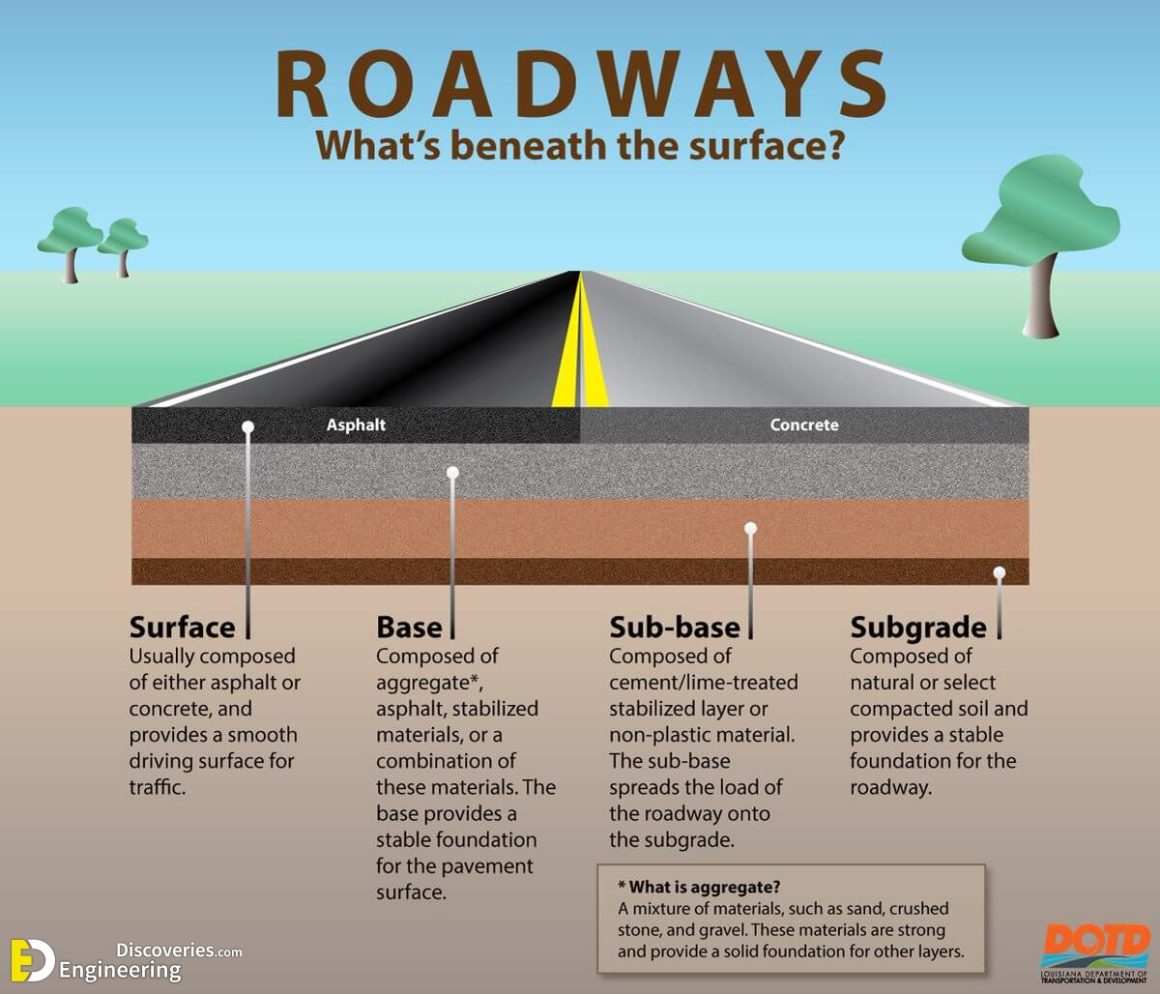
Brief Information About Base Course Engineering Discoveries

» Bituminous Concrete Base Course (BCBC)
2 Design of asphalt pavement with (a) a gravel bitumen base course, (b
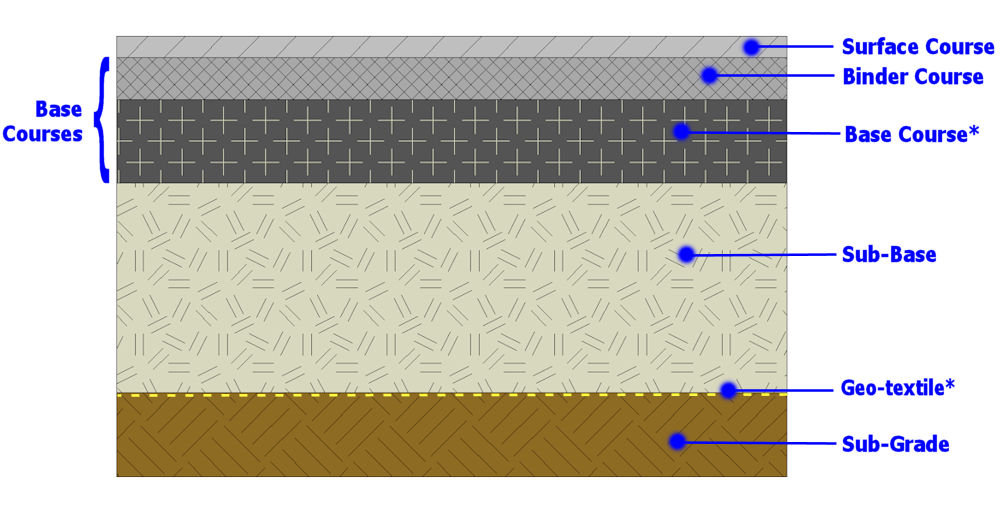
Tarmacadam, Bitmac and Asphalt Construction Layers Pavingexpert
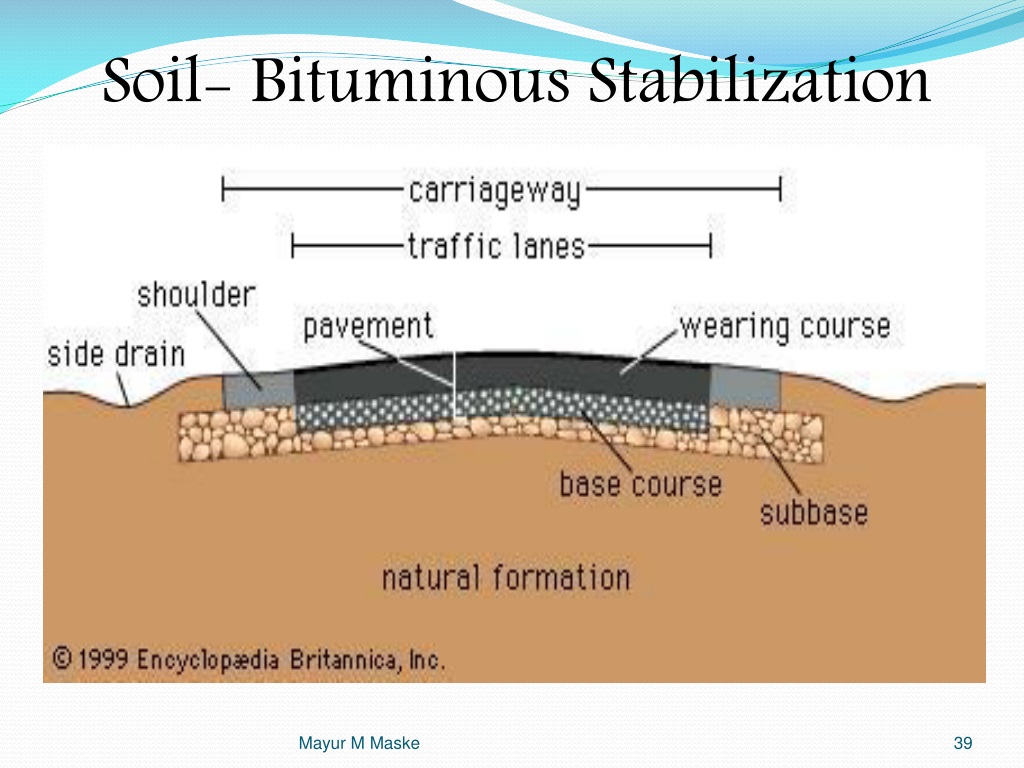
PPT Soil Stabilization PowerPoint Presentation, free download ID
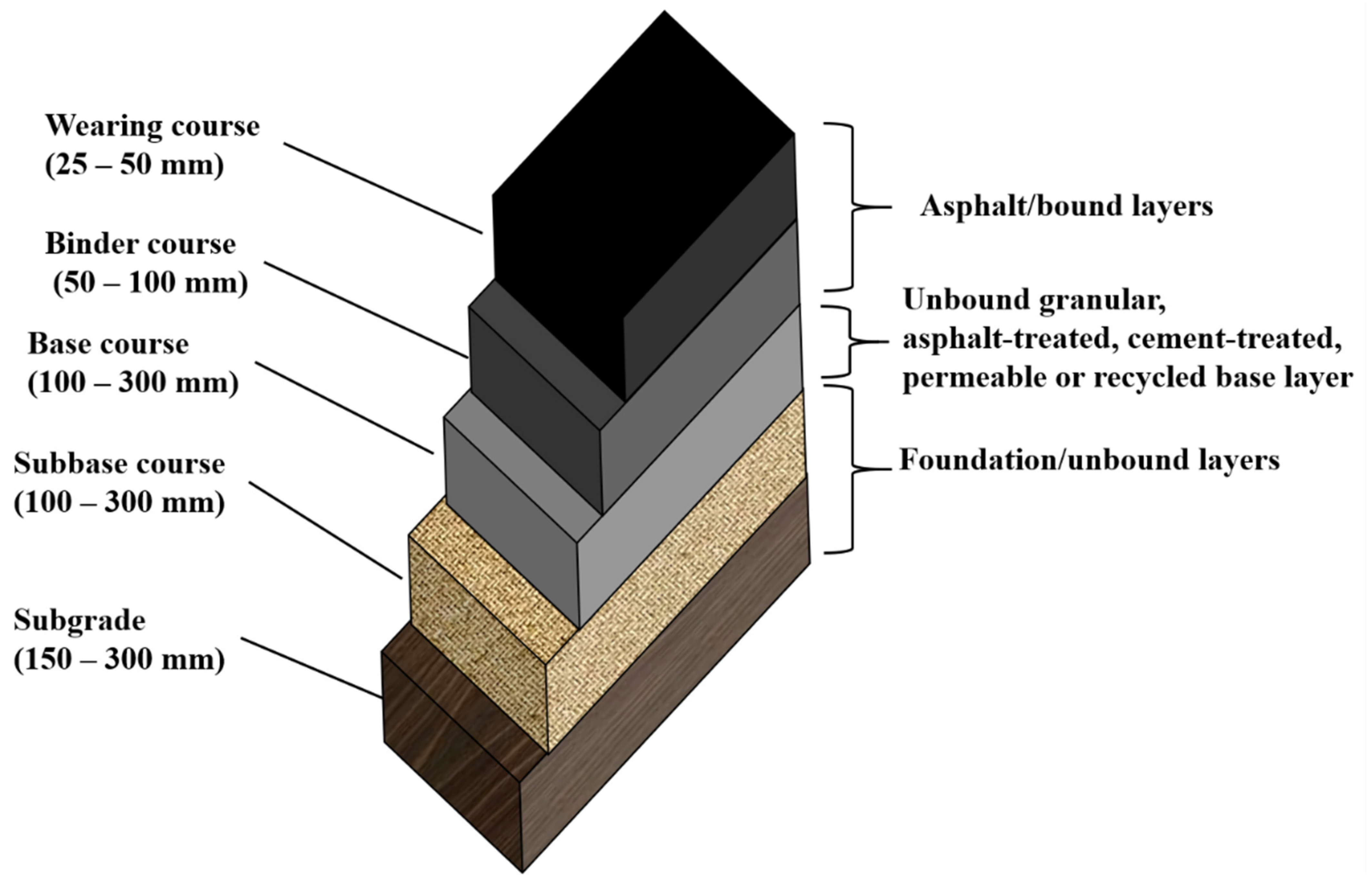
Application of RAP in Asphalt Concrete Pavements Encyclopedia MDPI

All About Bituminous Pavement What Is Bituminous Pavement What IS

» Bituminous Concrete Base Course (BCBC)
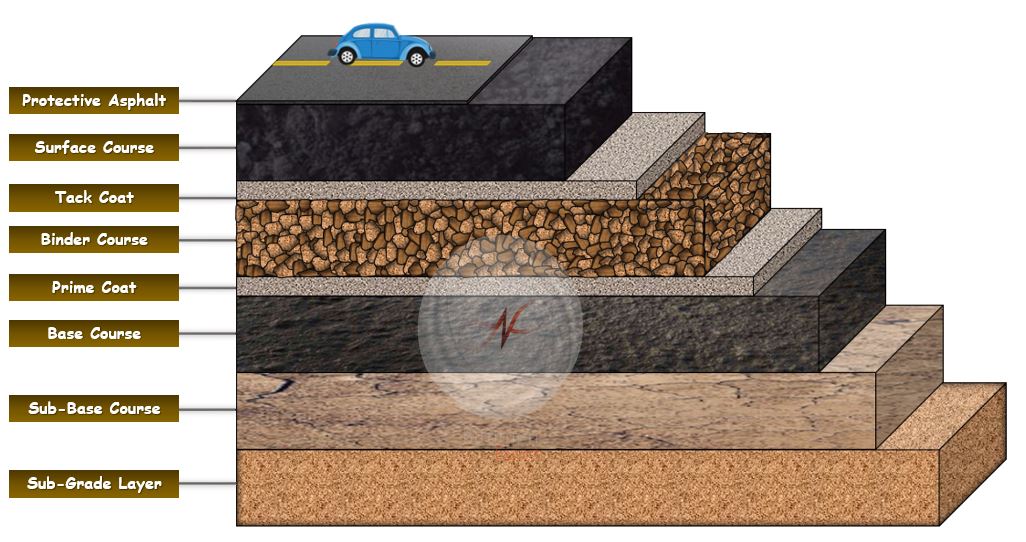
Different Layers of the bituminous Road Bitumen Export
Construct The Base Course According To These.
In Texas, A Prime Coat Is Used As A Transition Layer To Ensure Bonding Of The Base And The Surface Treatment Wearing Course.
The Primary Benefit Of Using Pcc Was Its Ability To Spread Load Over A Larger Area Than Granular Or Bituminous Bound Materials, Thereby Allowing Road Builders To Use Less Aggregate Material.
Bituminous Soil Stabilization Refers To A Process By Which A Controlled Amount Of Bituminous Material Is Thoroughly Mixed With An Existing Soil Or Aggregate Material To Form A Stable Base.
Related Post: